Few comforts feel better than settling into a soft, preheated throw on a cold evening or climbing into a warm bed without turning up the thermostat for the entire home. Along with providing quick, focused warmth, today’s heated blankets and throws can help you stay comfortable through chilly months. Still, despite their convenience, many people shorten an electric blanket’s useful life through everyday handling, washing, or storage mistakes.
Unlike an ordinary fleece or cotton throw, a heated blanket has a delicate arrangement of fine heating elements, temperature sensors, and insulated wires built into the fabric. Using it like a regular bedspread—or putting it in a high-heat dryer—can strain those components long before any damage is visible.
With proper care, a quality heated blanket or throw may serve you for five to ten winters rather than just two or three. This maintenance guide explains how heated bedding works, which everyday habits help protect its wiring, how to wash and dry it carefully, and how to store it so it stays in good condition from season to season.

What’s Inside a Heated Blanket or Throw?
Knowing what lies beneath the soft outer fabric makes it easier to care for a heated blanket correctly. Most modern heated throws and blankets use either very fine insulated copper-alloy wires or flexible carbon-fiber heating elements sewn into channels in the fabric.
Built-in thermal sensors work alongside the heating wires. Often described as overheat protection or PTC/NTC sensor technology, these sensors track temperatures across the blanket and communicate with the detachable controller to regulate the power and help prevent overheating.
Because the internal components are made thin enough to remain barely noticeable while you lounge or sleep, they can be affected by three main sources of stress:
-
Sharp mechanical bending: Folding, creasing, or compressing the blanket beneath heavy items can fatigue the metal or create tiny fractures in the heating filaments.
-
Excessive external heat: Hot dryers, irons, or direct contact with a radiator may distort or melt the protective polymer insulation around the wires.
-
Chemical damage: Strong detergents, bleach, fabric softeners, and dry-cleaning solvents can gradually weaken wire coatings and damage plush fleece or sherpa fibers.
The care practices in this guide are intended to reduce these stresses while keeping your blanket clean, soft, and ready to use.
6 Everyday Habits That Can Help Your Blanket Last Longer
Your nightly routine can affect the durability of a heated throw just as much as the way you wash it. A few straightforward habits can reduce unnecessary wear on both the fabric and the electrical components.

1. Keep the Blanket Flat While It’s On
The basic rule for heated bedding is to avoid bunching, folding, or piling it up while it is switched on. When a throw is crumpled on a sofa or folded over on a bed, heat can become trapped between its layers. That concentrated warmth makes the sensors work harder, may speed up insulation wear, and can cause the safety system to shut the blanket off. Spread it flat over your body or mattress before turning it on.
2. Don’t Tuck It Tightly Beneath the Mattress
If you use a full-size heated blanket on your bed, don’t tuck its edges tightly under the mattress as you would with a flat sheet. This can bend wires along the edges at sharp angles and press them against the bed frame or box spring whenever you move. Instead, allow the blanket to hang naturally over the top and sides of the bed.
3. Warm the Bed First, Then Lower the Heat
Keeping a heated blanket on its highest setting for eight hours places a heavy thermal load on its heating elements. A more practical approach is to set it to medium or high 20 to 30 minutes before bed to warm the sheets, then switch to the lowest setting or use the built-in auto-shutoff timer once you get in. This can make bedtime more comfortable while reducing the demands on the controller and wires.
4. Keep the Cord and Connector Free of Strain
The connection point between the blanket and its detachable power cord is one of the areas most susceptible to strain. Leave the cord loose enough that it isn’t pinched between the wall and bed frame, caught beneath chair legs, or stretched tightly across the floor. When disconnecting the controller, hold the plastic connector housing rather than pulling on the cord.
5. Guard Against Pet Claws and Heavy Items
Cats and dogs enjoy warm blankets, but their claws can catch the fabric channels or puncture wire insulation. Avoid leaving heavy laptops, luggage, or piles of books on a heated blanket, especially when it is turned on. If pets share the sofa with you, a lightweight, breathable cotton throw placed over the heated blanket can help protect it from claws and fur.
6. Leave the Controller Exposed to Air
While the blanket is operating, don’t place its handheld digital or dial controller beneath pillows, thick bedding, or sofa cushions. The controller produces a small amount of heat while regulating power and needs airflow to remain cool. Set it on a nightstand, side table, or clear area of floor nearby.
How to Wash a Heated Blanket or Throw Safely
Some owners worry that washing a heated blanket will damage its electrical components. Most modern heated blankets and throws can be washed, and cleaning them helps remove body oils, sweat, and dust that can wear down fabric fibers over time. During regular winter use, consider washing your blanket every four to six weeks, or as soon as possible after a spill. Check the sewn-in care label first, then follow the steps below.
Phase 1: Inspect and Prepare Before Washing
-
Unplug it from the wall: Before handling the blanket connector, disconnect the power cord from the electrical outlet.
-
Remove every controller: Unclip and detach the cord and controller assembly. Never immerse the controller or wall plug in water. For a dual-zone queen- or king-size blanket, detach both controllers.
-
Look for damage: Spread the blanket flat in good light and gently run your hands over the fabric. Check for exposed wires, scorch marks, cracked connector ports, or frayed fabric channels. If you find electrical damage, do not wash or use the blanket.
-
Treat stains gently: Blot small spills with a soft cloth dampened with cool water and a little mild liquid detergent. Don’t scrub hard, as this can damage the stitching that holds the heating wires in place.
Phase 2: Machine Washing (Recommended for Most Modern Throws)
If the care label allows machine washing, use a front-loading washer or a top-loading
Quick Reference: Proper Care vs. Common Mistakes
| Maintenance Area |
Best Practice (Doubles Lifespan) |
Common Mistake (Shortens Lifespan) |
| Daily Operation |
Laid flat on bed or draped loosely over body |
Bunched in a ball or tucked tightly under mattress |
| Heat Settings |
Pre-warm on medium/high, sleep on low or timer |
Running maximum heat all night unattended |
| Washing Machine |
Front-loader or agitator-free washer on Gentle |
Standard wash cycle with central agitator pole |
| Water & Soap |
Cold water + small amount of mild liquid detergent |
Hot water, bleach, or liquid fabric softener |
| Drying Method |
Draped flat over drying rack to air-dry fully |
High-heat tumble drying or wringing out by hand |
| Off-Season Storage |
Rolled loosely in a breathable cotton bag |
Folded tightly in sharp squares under heavy boxes |
Best Practices for Storing Heated Blankets Off-Season
As spring brings warmer weather, the way you store your heated throws and blankets can help ensure they work properly when autumn returns.
1. Clean and Dry Before Storing
Always wash a heated blanket before putting it away. Body oils, perspiration, and dead skin can build up in the fabric during months in storage, potentially attracting pests, causing odors, or wearing down the fibers. Wash the blanket according to its care instructions, then make sure it is completely dry before storing it.
2. Roll It Loosely Rather Than Folding It Tightly
Folding a blanket along the same sharp lines each time can create deep creases. As it sits through the summer, the weight of the fabric may press those folds in and place strain on the heating wires.
To help avoid this, roll your heated blanket loosely, much like a sleeping bag or yoga mat:
-
Spread the clean, dry blanket flat across a bed.
-
Unplug and detach the controller, then loosely coil the cord into broad loops. Avoid winding it tightly around the controller.
-
Gently roll the blanket from one end to the other without tugging or compressing it.
3. Use a Breathable Storage Bag
Skip vacuum-sealed bags and airtight plastic containers. Compression may put pressure on the internal wires, while trapped moisture in sealed plastic can contribute to mildew. Place the loosely rolled blanket and detached controller in a breathable cotton, canvas, or non-woven fabric storage bag. Store it on a high shelf in a cool, dry closet, and keep heavy coats, luggage, and storage containers off the blanket.
Troubleshooting and Knowing When to Replace Your Blanket
Careful use helps, but it’s also useful to know how to respond to controller alerts and spot signs that a blanket has reached the end of its usable life.
Resetting a Blinking Controller
If your blanket stops warming and the controller blinks or displays an error, the blanket may not be damaged. A loose cord connection or brief power fluctuation can sometimes trigger an alert. Try these reset steps:
-
Switch off the controller and unplug the power cord from the outlet.
-
Disconnect the cord from the blanket’s coupling port and make sure both connection points are clean and dry.
-
Reconnect the cord securely to the blanket port, checking for a firm fit or click.
-
Plug the power cord back into the outlet and turn on the controller.
If the alert remains after resetting the blanket while it is flat and unfolded, refer to the manufacturer’s warranty or replace the unit.
Safety Warning Signs: When to Stop Using a Blanket
Electrical safety should always come first. Stop using the blanket and dispose of or recycle it responsibly if you notice any of these warning signs:
-
Frayed, cracked, or exposed wires in worn fabric or along the power cord.
-
Scorching, discoloration, or melted plastic on the blanket, connector port, or controller.
-
Uneven hot spots, where one area becomes very hot while nearby sections stay cool.
-
A burning or hot-plastic odor when the blanket is switched on.
-
A loose or unreliable connection that cuts in and out when the cord moves.
Never try to repair a heated blanket’s electrical components yourself or splice damaged wires.
Frequently Asked Questions
Can you put a heated throw in the dryer?
Air-drying on a rack is generally the safest option. If the care label permits machine drying, use Air Fluff (No Heat) or Low Heat for 10 to 15 minutes to remove some moisture. Take the blanket out while it is still slightly damp and finish drying it flat. Never use a high-heat setting.
How often should you wash a heated blanket?
For regular daily use in autumn and winter, washing every 4 to 6 weeks can help keep your blanket fresh without putting unnecessary strain on its wiring. If you use a top sheet between yourself and the blanket, washing it two to three times per season may be enough.
Can you put another comforter on top of a heated blanket?
It’s generally best not to cover an operating heated blanket with a heavy duvet, weighted blanket, or several thick comforters. Too many layers can trap excess heat, potentially triggering the blanket’s overheat protection and placing additional strain on the wires. A light, breathable sheet or quilt may be suitable if the manufacturer allows it.
Why isn’t my heated blanket as warm as it used to be?
Heated blankets are designed to provide gentle, controlled warmth, so they may feel warmer against your body than when tested with your hand in open air. If the blanket heats unevenly, lay it flat rather than folded and try resetting the controller. If it still feels weak after years of use, its heating elements may be nearing the end of their lifespan.
Enjoy Cozy, Reliable Warmth for Years
A well-made heated blanket or throw can add everyday comfort during cold weather and may help you use less home heating. Keep it flat while in use, wash it gently in cold water, dry it completely, and roll it loosely before storing it for the season. These habits help protect the technology inside and preserve comfortable warmth for winters ahead.
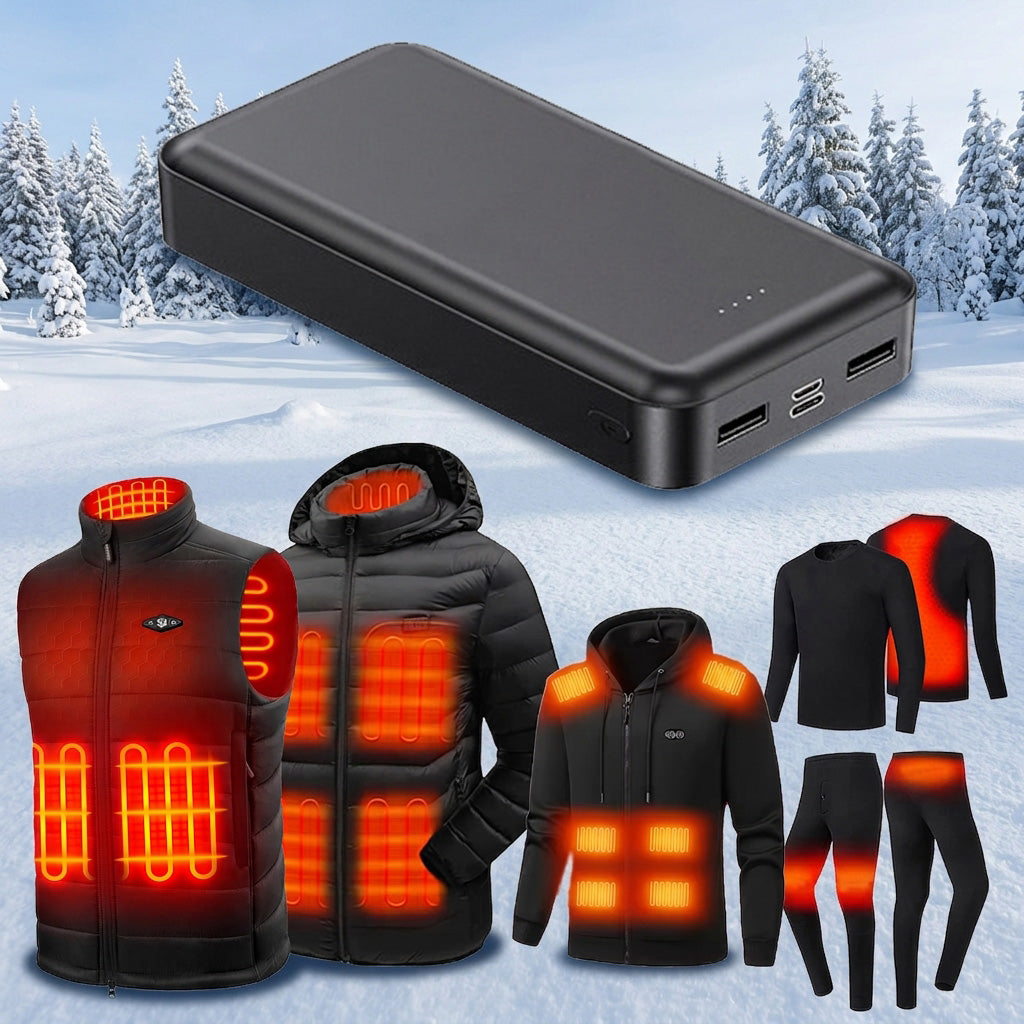
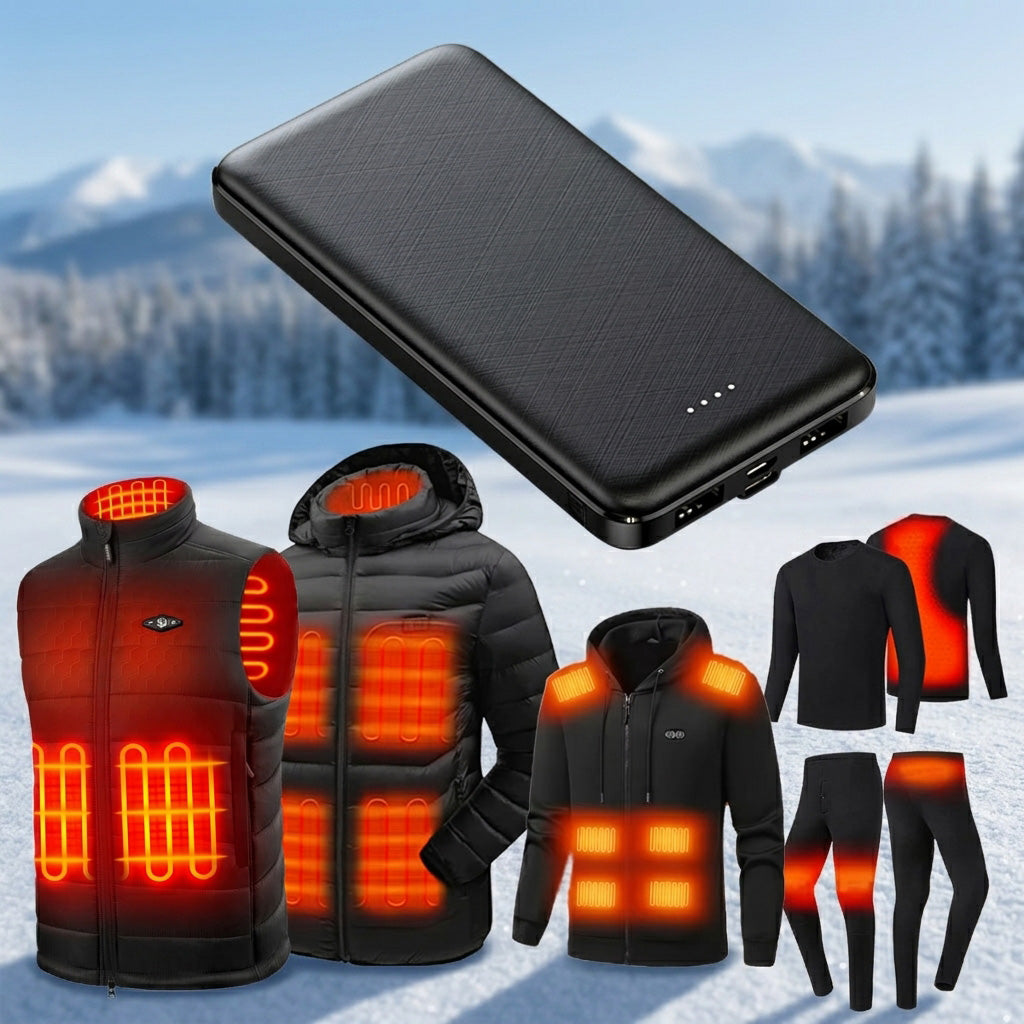
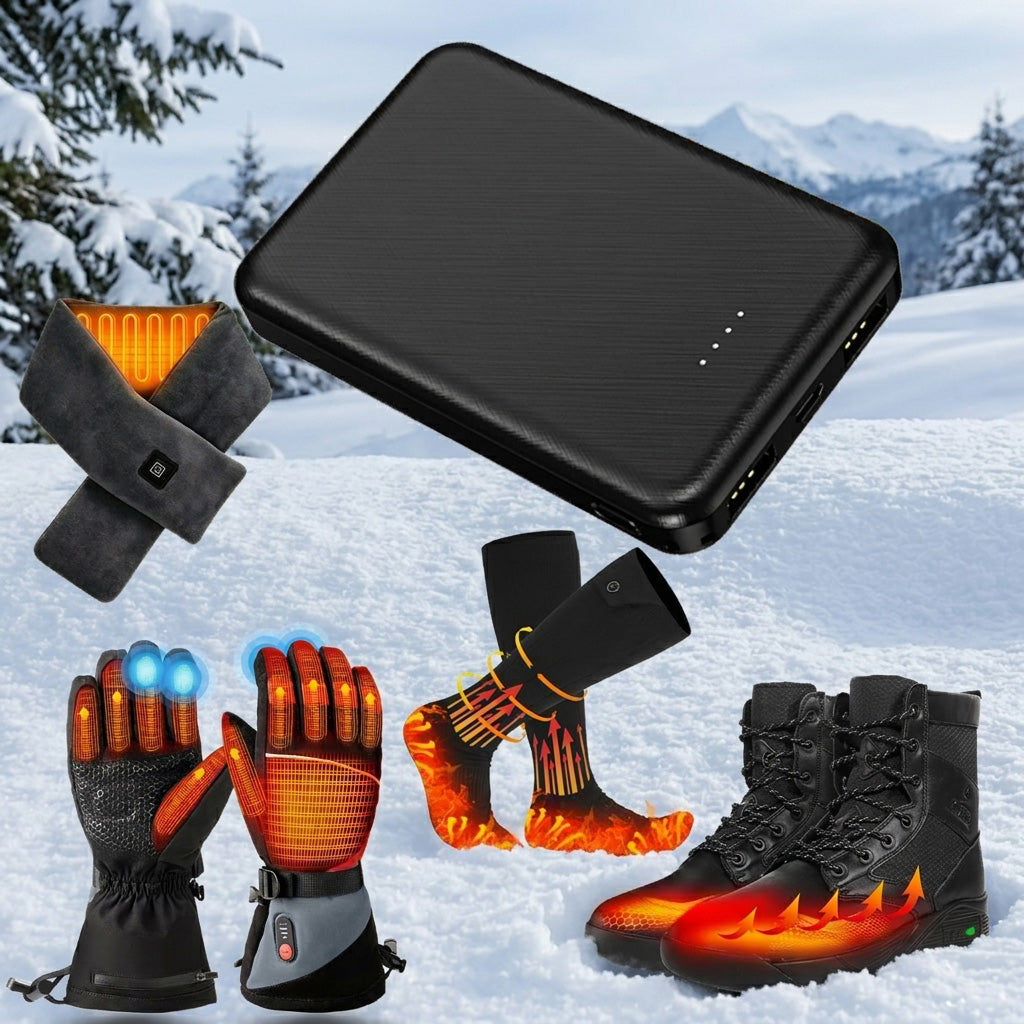
Ready to refresh your cold-weather comfort with thoughtfully designed heated gear? Explore Firoth’s collection of heated blankets, throws, and heated apparel to stay warm throughout the winter.
Enjoy Cozy, Dependable Warmth for Years
A well-made heated blanket or throw is a smart cold-weather investment, bringing everyday comfort while helping reduce heating costs. Keep it flat while in use, wash it gently in cold water, let it air-dry completely, and roll it loosely for seasonal storage. These simple steps help protect the delicate technology inside, so you can enjoy soft, reliable warmth through many winters.
Ready to make cold days more comfortable with durable, thoughtfully designed heated gear? Discover the latest heated blankets, throws, and heated apparel from Firoth, and keep warm wherever winter takes you.