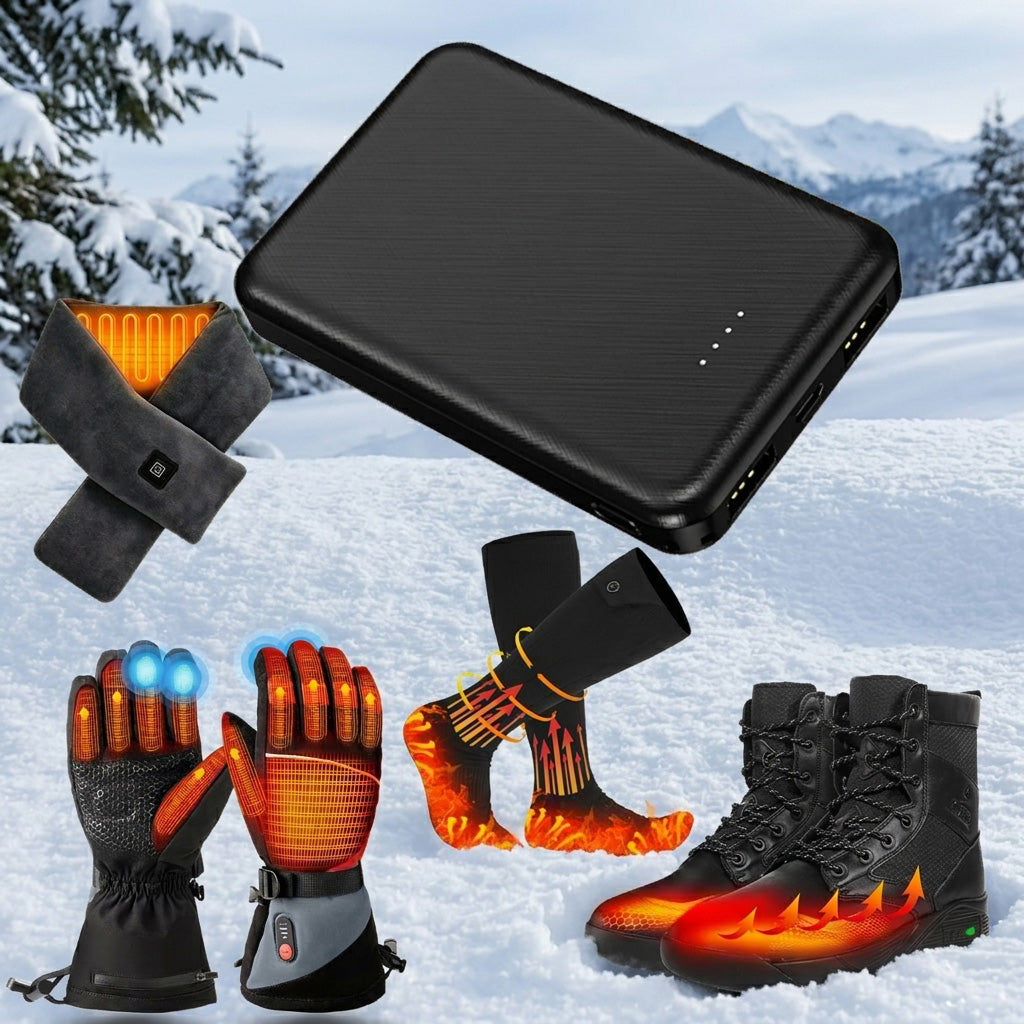
When the mercury plunges well below freezing, ordinary insulated boots may not provide enough warmth. Whether you’re hiking snowy trails, spending long shifts outdoors, or dealing with a condition such as Raynaud’s disease, cold feet can make any activity uncomfortable and may even pose a safety concern. Heated shoes and boots offer another option. With rechargeable lithium-ion batteries and built-in heating elements, today’s heated footwear adds active warmth to help keep your feet comfortable in sub-zero conditions.
Still, not every heated shoe is designed for severe winter weather. The wrong pair may have limited battery performance in the cold, uneven heating, or poor protection from wet snow. This guide covers the key features to consider when choosing heated shoes for extreme cold, so you can find footwear suited to keeping your feet warm, comfortable, and protected through winter.

1. Check the Heating System Requirements
In severe cold, insulation by itself may not be sufficient. Look for an active heating system that can provide steady warmth and let you adjust the temperature. When comparing heated footwear, review these heating features:
Heating Element Material: Carbon Fiber or Metallic Wire
-
Carbon fiber heating elements (recommended): Many modern heated shoes use thin, flexible carbon fiber panels. They can spread warmth across the foot, heat up quickly, and flex repeatedly during wear without easily breaking.
-
Metallic wires: Some older or more affordable designs use metal wires to generate heat. Though they can work effectively, wires may feel bulky, produce uneven hot spots, and be more vulnerable to damage from repeated bending.
Heating Zone Coverage
In freezing weather, reduced circulation can leave your extremities especially cold. For more complete warmth, consider heated shoes with carefully positioned heating zones:
-
Full-sole heating: Heating extends along the footbed, from heel to toe.
-
Toe-box focus: Toes and the forefoot often feel the cold first. A heating element dedicated to this area can be important for spending extended time in extreme cold.
Multiple Temperature Settings
Conditions can range from -5°C to -30°C, so choose heated footwear with at least three adjustable settings:
-
High heat (55°C–65°C / 131°F–149°F): Useful for warming your feet quickly when first heading into very cold conditions.
-
Medium heat (45°C–50°C / 113°F–122°F): Suited to maintaining warmth during outdoor walks and hikes.
-
Low heat (38°C–42°C / 100°F–107°F): A practical choice for longer wear when you want to preserve warmth without excessive heat.
2. Battery Life and Performance Below Freezing
Low temperatures can reduce battery capacity quickly. A battery that lasts eight hours at room temperature may run for only four hours in freezing conditions if it is not adequately protected. Check the battery specifications and design before choosing a pair.

Battery Capacity: mAh and Voltage
Look for rechargeable lithium-ion batteries with suitable capacity and output:
-
7.4V versus 3.7V systems: A 7.4V system can provide stronger, higher-wattage heat output than a standard 3.7V battery, which may be useful in severe sub-zero conditions.
-
Capacity: Consider batteries rated around 3000mAh to 5000mAh per foot.
Battery Placement and Thermal Protection
Check the location of the battery pocket. A battery kept in an insulated area near the ankle may stay warmer and help preserve runtime. For added protection, look for batteries with UL certification and safeguards against overcharging, over-discharging, and short circuits.
3. Weatherproofing and Upper Materials
Active heating works best alongside effective weather protection. If water gets inside or cold wind passes through the upper, the heating system may need to work harder to maintain warmth.
Waterproof Membranes
For walking through deep snow, slush, or freezing rain, look for footwear designed to keep moisture out:
- Choose shoes with waterproof, breathable membranes, such as specialized TPU linings, or with water-repellent treatments.
- Sealed seams and gusseted tongues can help prevent snow and water from entering around the laces or zippers.
Wind-Resistant Outer Shells
Cold wind can rapidly carry heat away from your feet. Dense oxford nylon, genuine leather, and durable synthetic uppers can help shield against winter winds.
Thermal Insulation: Thinsulate™ or Similar Materials
Your footwear should provide warmth even when the heating system is switched off. Look for 200g to 400g of synthetic insulation, such as 3M Thinsulate™, combined with a fleece or faux-fur lining.
4. Grip and Outsole Safety on Ice and Snow
Severe winter conditions often mean crossing slippery ice, compacted snow, and muddy ground. Advanced heating is of little use if your boots cannot keep you stable.
Deep Lug Outsoles
Choose outsoles with pronounced 4mm to 6mm lugs that can grip soft snow and muddy surfaces.

Cold-Resistant Rubber Compounds
In very low temperatures, ordinary rubber can stiffen and become brittle, reducing traction. Quality winter boots use anti-slip rubber compounds made for cold conditions that remain flexible below freezing and help maintain grip on icy ground.
5. Comfort, Fit, and Breathability
One frequent winter footwear mistake is choosing a pair that is too snug. Tight footwear squeezes the feet, limits circulation, and can leave them feeling even colder.
Allow Room for Thermal Socks
-
Make space for thick wool or thermal socks. If you fall between sizes, go up half a size when buying heated winter boots.
-
Extra room helps warm air from the heating element circulate around your toes.
Moisture-Wicking Linings
Warm feet can sweat. When moisture builds up inside a shoe, your feet may feel cold as soon as the heating cycles off. Look for heated footwear with moisture-wicking linings that draw sweat away from your skin.
Key Features to Compare in Heated Footwear for Extreme Cold
Use this quick checklist to assess heated shoes before making a purchase:
| Feature |
Mild Winter Needs |
Extreme Cold Weather Standard (Sub-Zero) |
| Heating System |
3.7V Single Zone |
7.4V Dual / Full-Foot Carbon Fiber Panels |
| Max Temperature |
Up to 45°C (113°F) |
55°C – 65°C (131°F – 149°F) |
| Battery Life |
3 – 5 Hours |
6 – 10+ Hours (High-Capacity 7.4V) |
| Waterproofing |
Water-resistant coating |
100% Waterproof Membrane + Sealed Seams |
| Passive Insulation |
100g Fleece lining |
200g – 400g Thinsulate™ + Thermal Fleece |
| Outsole |
Standard rubber sole |
Deep-lug Anti-Slip Cold-Resistant Rubber |
Making the Most of Your Heated Shoes in the Coldest Weather
To help your heated shoes perform well and last longer during severe cold, keep these tips in mind:
-
Warm Them Up Before Heading Out: Switch your heated shoes to High for 3–5 minutes indoors before going into the cold. A pre-warmed footbed helps keep your feet from cooling down as you start out.
-
Bring Extra Batteries: For a full day outdoors, whether winter camping, snowshoeing, or working outside, carry a charged spare set in an inner jacket pocket to keep the batteries warm until you need them.
-
Let Them Dry Completely After Wear: After a snowy day, take out the insoles and allow the inside to air-dry at room temperature. Keep heated shoes away from direct contact with strong radiant heaters.
Conclusion: Face Winter with Confidence
Finding heated shoes for extreme cold means looking for a combination of powerful 7.4V active carbon-fiber heat, high-capacity batteries designed for cold conditions, and durable waterproof insulation.
Choose a pair made to handle below-freezing conditions, and winter becomes easier to face. Whether you're commuting through a blizzard or exploring snowy mountain trails, your feet need dependable warmth and protection.
Ready for a Warmer Winter?
Browse the performance heated footwear collection at Firoth.com and find innovative heating technology designed for challenging winter conditions.