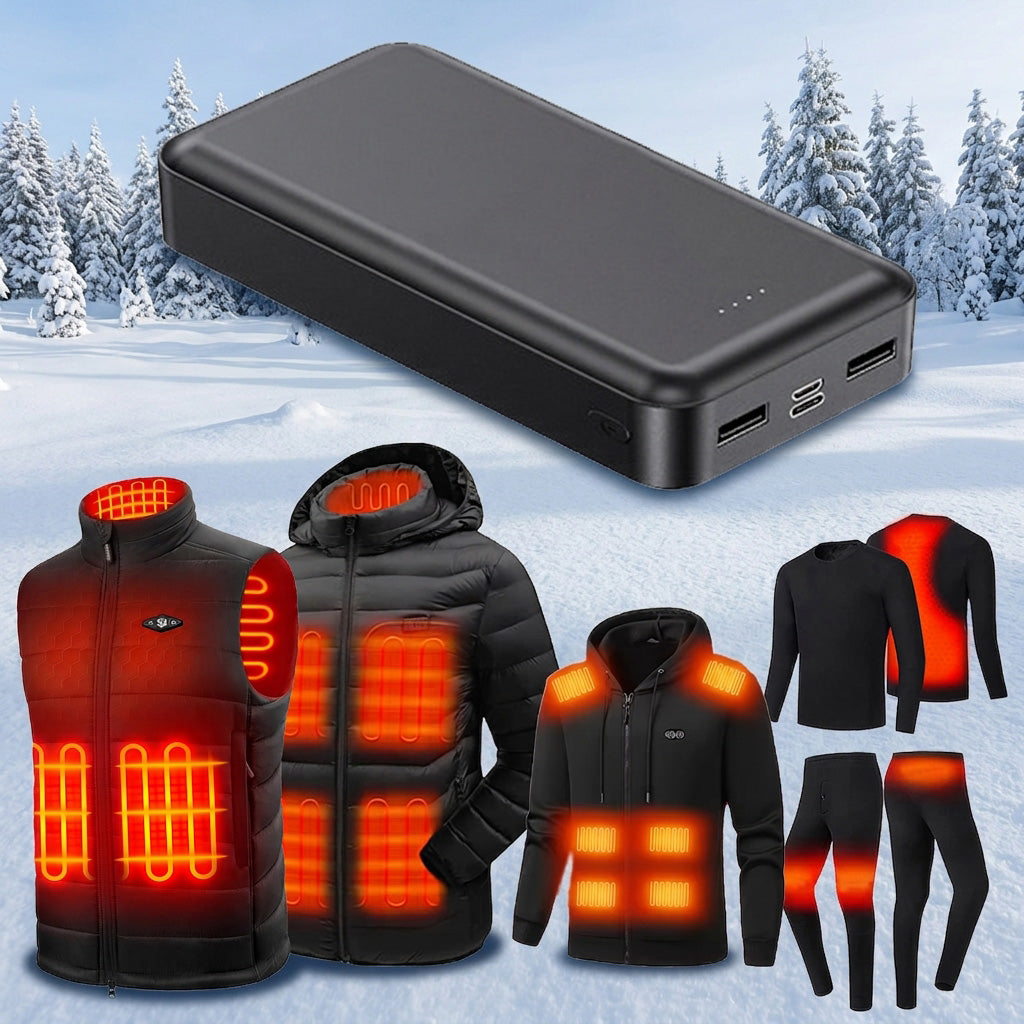
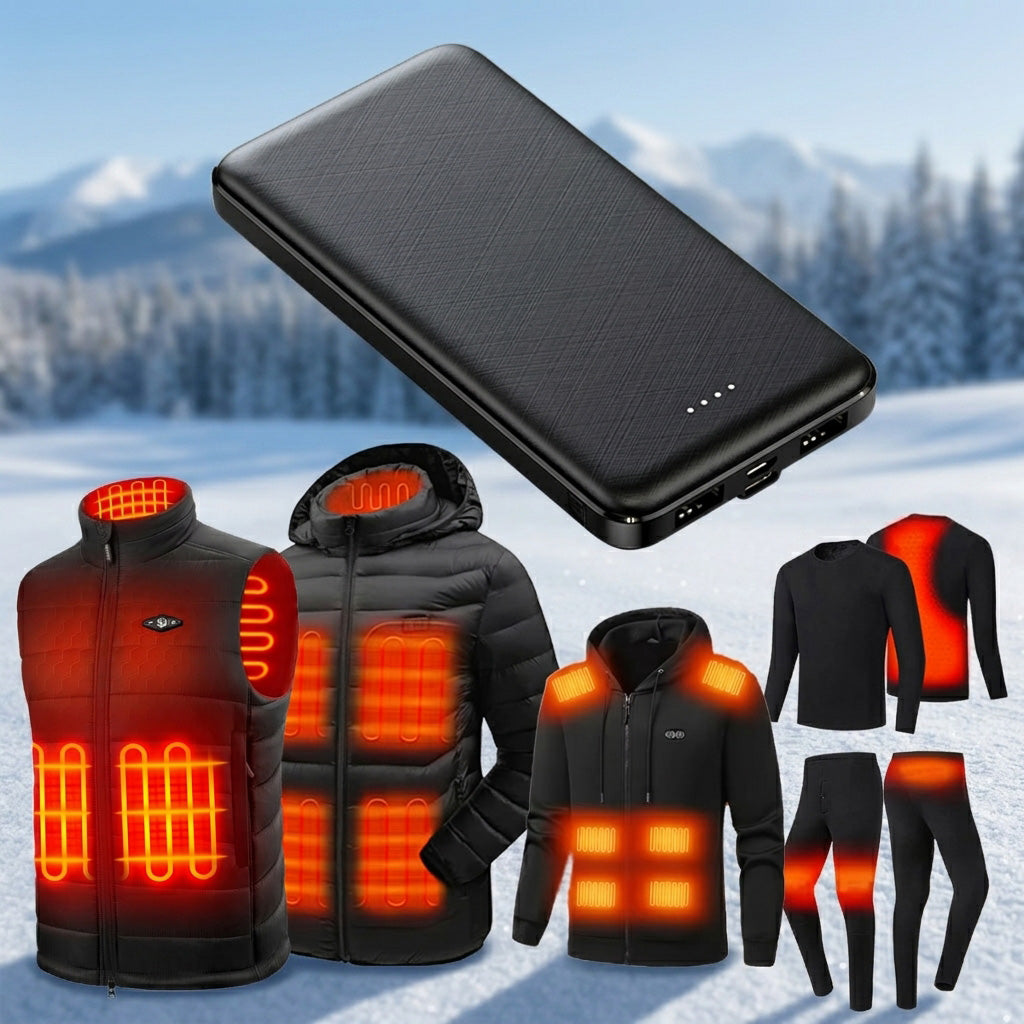
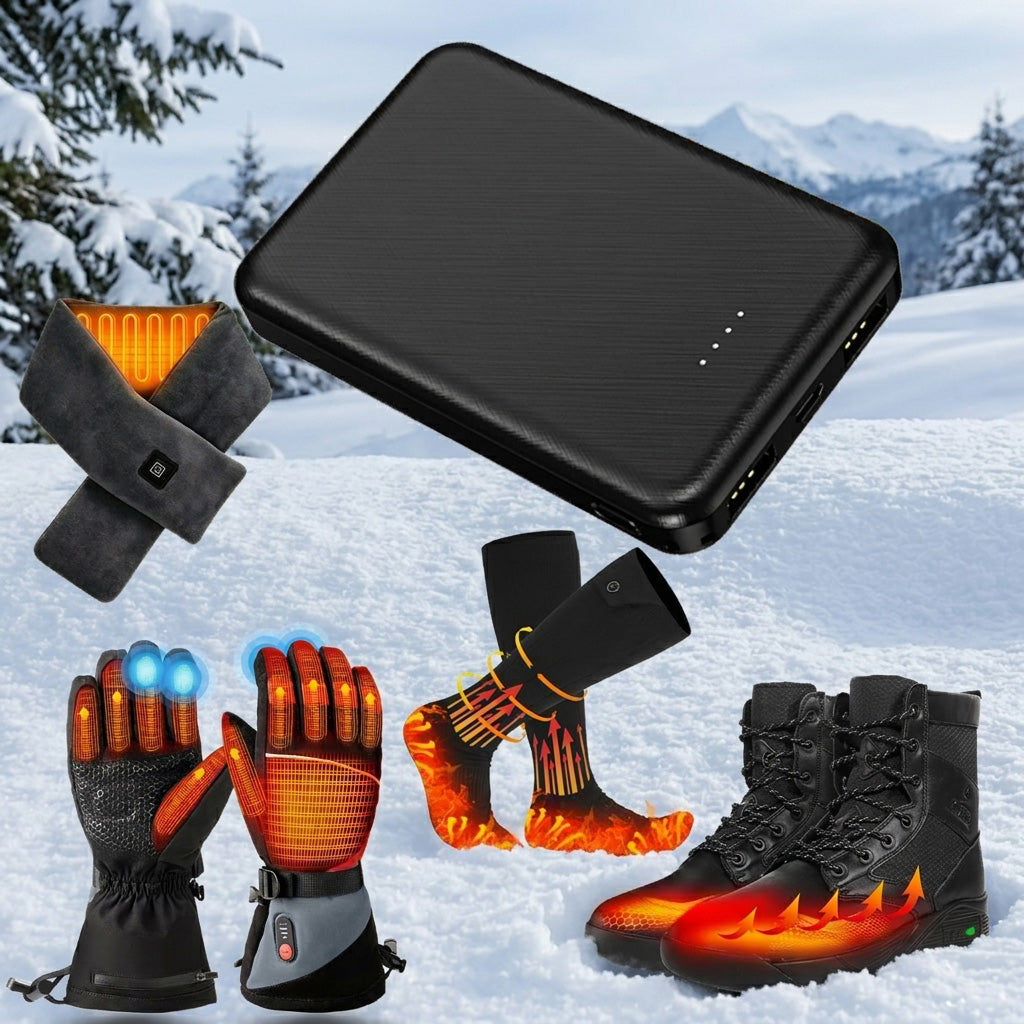
Working, commuting, or spending long hours outside in intense heat and humidity is more than uncomfortable—it can sap your energy, affect concentration, and raise the risk of heat exhaustion. That’s why fan-cooled and phase-change cooling jackets have become valuable gear for construction crews, landscapers, warehouse teams, delivery drivers, hikers, and other outdoor enthusiasts.
Still, choosing a high-performance cooling jacket is only part of the equation. To enjoy a steady, refreshing flow of cooling air across your torso, back, and neck—and make the most of each battery charge—correct setup and fit are essential.
At Firoth, we create engineered climate-control apparel for demanding conditions. This guide takes you through setting up, wearing, layering, and caring for your cooling jacket to support effective airflow and lasting comfort.

How Your Cooling Jacket Works
Before putting your gear together, it’s useful to know how active cooling apparel works. Most active cooling jackets use forced-air evaporative cooling, while hybrid designs may also include ice or phase-change cooling packs:
-
Dual High-Velocity Brushless Fans: Fitted on the lower sides of the back, compact fans pull fresh air in from the surrounding environment.
-
Pressurized Internal Air Channels: Inside the jacket, air collects between the wind-resistant outer shell and your base layer, forming a small circulating climate that moves upward over your back, chest, and underarms.
-
Sweat Evaporation & Heat Exhaust: Moving air passes over damp skin or a moisture-wicking shirt, helping sweat evaporate and carry heat away from your body. Warm, humid air then escapes through the collar and sleeve cuffs.
If air escapes through the hem, is restricted by tight straps, or cannot flow out around the neckline, cooling can become much less effective. A proper setup keeps the air intakes clear, supports steady circulation inside the jacket, and allows warm air to exit.

Step-by-Step Guide: Assembling Your Cooling Jacket
Whether you’re setting up your Firoth cooling jacket for the first time or putting it back together after washing, follow these steps to secure the components and maintain effective airflow.
Step 1: Check the Components
Place all the parts on a clean, level surface before you begin:
- The cooling jacket shell, with pre-cut mounting openings at the back
- Two brushless fan assemblies, each with a fan housing and threaded locking ring
- The Y-shaped splitter cable
- A fully charged power bank with USB or DC output
- Optional ice packs or phase-change inserts, if compatible with your model
Step 2: Secure the Fans
- Remove the outer locking ring from each fan by unscrewing it.
- Working from the outside of the jacket, position the fan body over the reinforced round opening on the lower back panel. The intake grille should face outward, drawing air into the jacket—not pushing it out.
- From the inside of the jacket, screw the locking ring onto the fan housing. Turn it clockwise until firmly in place.
- Make sure the fabric lies smoothly around the gasket, without folds or trapped seams. A snug, even fit helps stop air escaping around the edge of the fan.
Step 3: Route and Attach the Power Cable
- Push the two shorter connectors on the Y-splitter firmly into the power ports on the left and right fans. You should feel each connector click into place.
- Guide the cable through the routing loops inside the jacket along the inner lining. Tucking it into these channels helps prevent snags on tools, harnesses, or zippers as you move.
- Place the single main connector inside the designated battery pocket.
Step 4: Connect and Check the Power Bank
Attach the main cable connector to your fully charged power bank. Press and hold the controller or battery pack’s power button for 2–3 seconds to start the fans. Test each speed setting—Low, Medium, and High/Turbo—and confirm both fans run smoothly and quietly without vibration before wearing the jacket.
Adjust the Fit for Better Airflow
Even powerful fans may not cool well if the jacket is too tight or air escapes through poorly adjusted openings. Fine-tune the fit to create an effective space for air to circulate:
-
Choose a suitable base layer. The clothing beneath your cooling jacket affects how comfortable you feel. Lightweight, close-fitting moisture-wicking fabrics, such as polyester, nylon, or spandex blends, help move sweat away from your skin and spread it over a larger area, supporting evaporative cooling as air passes over it. Avoid heavy 100% cotton T-shirts: cotton can retain sweat, restrict airflow, and feel damp and heavy.
-
Adjust the waist hem. When the fans are running, the jacket should expand slightly, forming a gentle air cushion. Tighten the hem’s elastic drawcord or position the elastic waistband comfortably around your hips to help contain the air. Don’t tuck the jacket tightly into pants or a tool belt if that flattens the fabric against your lower back.
-
Keep space around the collar and cuffs. Warm air needs a way out so fresh air can continue moving from the bottom of the jacket upward. Zip the jacket to mid-chest or collarbone level, leaving a small opening at the neck for warm air to escape past your neck and chin. Keep the cuffs a little loose, rather than tightly fastened, so air can flow down your arms.
-
Avoid an overly tight fit. Unlike compression clothing, a cooling jacket needs about 1 to 2 inches of ease around the chest and torso to keep its air channels open. If you’ll wear a safety vest or backpack over it, consider a slightly larger size so the outer shell can still expand.
Manage Battery Life and Fan Speed
Running the fans at full power all day may not be necessary. Choosing speeds thoughtfully can help extend the time you get from a single charge, potentially doubling the runtime.
| Fan Setting |
Best Use Case |
Airflow & Cooling Feel |
Battery Efficiency |
| Low |
Indoor warehouses, mild mornings, shade, steady walking |
Gentle continuous breeze; prevents sweat buildup |
Maximum runtime (ideal for 10–12+ hour shifts) |
| Medium |
Warm outdoor work, commuting, gardening, hiking |
Balanced airflow and steady evaporative cooling |
Optimal balance of cooling power and endurance |
| High / Turbo |
Peak afternoon sun, heavy physical exertion, hot kitchens/attics |
Rapid heat dump and maximum air volume |
Shortest runtime; best used in 20–30 minute bursts |
Tip for Long Shifts: Begin the day on Low, before heavy sweating starts. Keeping your core cool from the outset helps limit heat buildup and uses much less battery power than trying to cool an already overheated body on High later in the day.

Boosting Performance in Extreme Heat
When temperatures exceed 95°F (35°C) or humidity rises, try these setup tips to enhance cooling:
-
Add Ice Packs or PCM Inserts: Many cooling jackets have dedicated mesh pockets inside the upper back or underarm areas. Slip slim frozen gel packs or Phase Change Material (PCM) inserts into these pockets to cool incoming air as it moves across your torso, creating an air-conditioning-like effect.
-
Wear a Damp Cooling Towel: Place a lightly dampened microfiber cooling towel around your neck beneath the collar. As exhaust air passes over it, the towel can increase evaporative heat transfer.
-
Adjust Backpack and Harness Straps: If you wear a backpack, fall-arrest harness, or tool vest, loosen the shoulder and chest straps slightly. This helps prevent them from pressing the jacket flat against your back. Keep your gear clear of the lower rear fan intake grilles.
-
Bring a Backup Power Bank: Many modern cooling jackets use standard high-output USB/DC power banks. Carrying a compact 10,000mAh or 20,000mAh spare battery can help maintain cooling during overtime shifts or extended outdoor trips.
Quick Troubleshooting Guide
If your cooling jacket doesn’t feel as cool as you expected, take a moment to check the following:
-
The fans are running, but I can’t feel air inside the jacket:
-
Airflow seems restricted around my upper back or chest:
-
Check your outer gear: Loosen backpack straps, aprons, or tool belts that press tightly against your torso.
-
Check your shirt: Try a lightweight, moisture-wicking athletic shirt instead of a heavy cotton tee.
-
The fans turn off without warning:
-
Check the cable connections: Make sure both ends of the Y-splitter are firmly connected to the fan jacks and the battery port.
-
Check for battery auto-sleep: Some power banks enter sleep mode when power draw falls too low. Confirm that your battery meets the recommended output voltage and amperage for your jacket model.
Cleaning and Storage Best Practices
Good care helps maintain the shell’s wind-blocking coating and keeps the electronic components working smoothly season after season:
-
Remove Electronics Before Washing: Disconnect and take out the battery pack, Y-splitter cable, and both fan units before cleaning. Never immerse the fans or cables in water.
-
Wash with Care: Zip up the jacket, place the shell in a mesh laundry bag, and machine wash on a gentle, cold-water cycle with mild detergent, or hand wash it. Avoid bleach and fabric softeners, as they may clog breathable fabrics and harm water-resistant finishes.
-
Air-Dry Only: Hang the jacket in a shaded, well-ventilated spot until it is completely dry. Avoid high-heat tumble drying and do not iron directly over coated panels.
-
Clean the Fan Blades Regularly: Clear dust, sawdust, and lint from the fan grilles with a dry, soft brush or compressed air. This helps the motors spin freely without added resistance.
-
Store Batteries Properly: At the end of summer, charge your power bank to around 50–60%. Keep the jacket and electronics in a cool, dry place away from direct sunlight.
Stay Cool, Focused, and Comfortable All Season
Setting up your cooling jacket takes less than two minutes and can make a real difference in how you manage hot conditions. Secure the fans, choose a moisture-wicking base layer, close the waist hem, and adjust fan speed as needed to create a personal, wearable cooling system. Explore Firoth Cooling Jackets, Replacement Fans, and High-Capacity Power Banks at firoth.com for hot-weather gear designed to help you stay cool as temperatures rise.