Introduction
Mountain environments demand a delicate balance in thermal management. Your body contends with plummeting temperatures—dropping roughly 6°C per 1,000 meters of elevation—combined with harsh chairlift winds and the sweat generated by vigorous activity. This creates a paradox: your gear must manage moisture while maintaining warmth. Inadequate clothing design allows perspiration to cling to skin, leading to dangerous heat loss the moment you pause exertion, transforming what should be an enjoyable ski day into a grueling battle against the elements. Season after season, countless skiers discover the hard way that their limitations stem not from determination, but from inadequate layering and fabric choices.
Firoth's French heritage in active thermal management rests on one core principle: keeping your body comfortable in cold conditions is not a indulgence—it is essential for peak performance and mountain enjoyment. This detailed guide equips you with the technical knowledge you need to master layering, select appropriate fabrics, and shield yourself against harsh weather across all exposure zones. Our mission: to help you sustain thermal balance throughout your day on the mountain, from your first ascent to your final descent.
The 3-layer system: the basis of your thermal protection when skiing
Understanding the principle of layering
The three-layer approach represents the most practical technical strategy for managing temperature fluctuations while skiing. This method is grounded in sound physiological principles: during active runs, your body generates heat and perspiration, but loses warmth rapidly during periods of inactivity—particularly when stationary on the chairlift.

Choosing multiple lightweight garments over one heavy piece enables each layer to serve a specific purpose: drawing sweat away from your skin, trapping warmth, and shielding you from wind and precipitation. This approach also provides essential flexibility—you can shed or put on layers as your activity level shifts or weather changes throughout the day.
- Layer 1 (base): Moisture management through perspiration wicking, positioned against your skin
- Layer 2 (mid): Thermal retention and heat regulation for core warmth
- Layer 3 (outer): Barrier defense against wind, precipitation, and moisture exposure
The first layer: wicks away moisture to keep you dry
The base layer is arguably the most overlooked component, yet it remains fundamentally essential. Positioned against your skin, this specialized undergarment needs to efficiently draw moisture from sweat toward the outer layers.
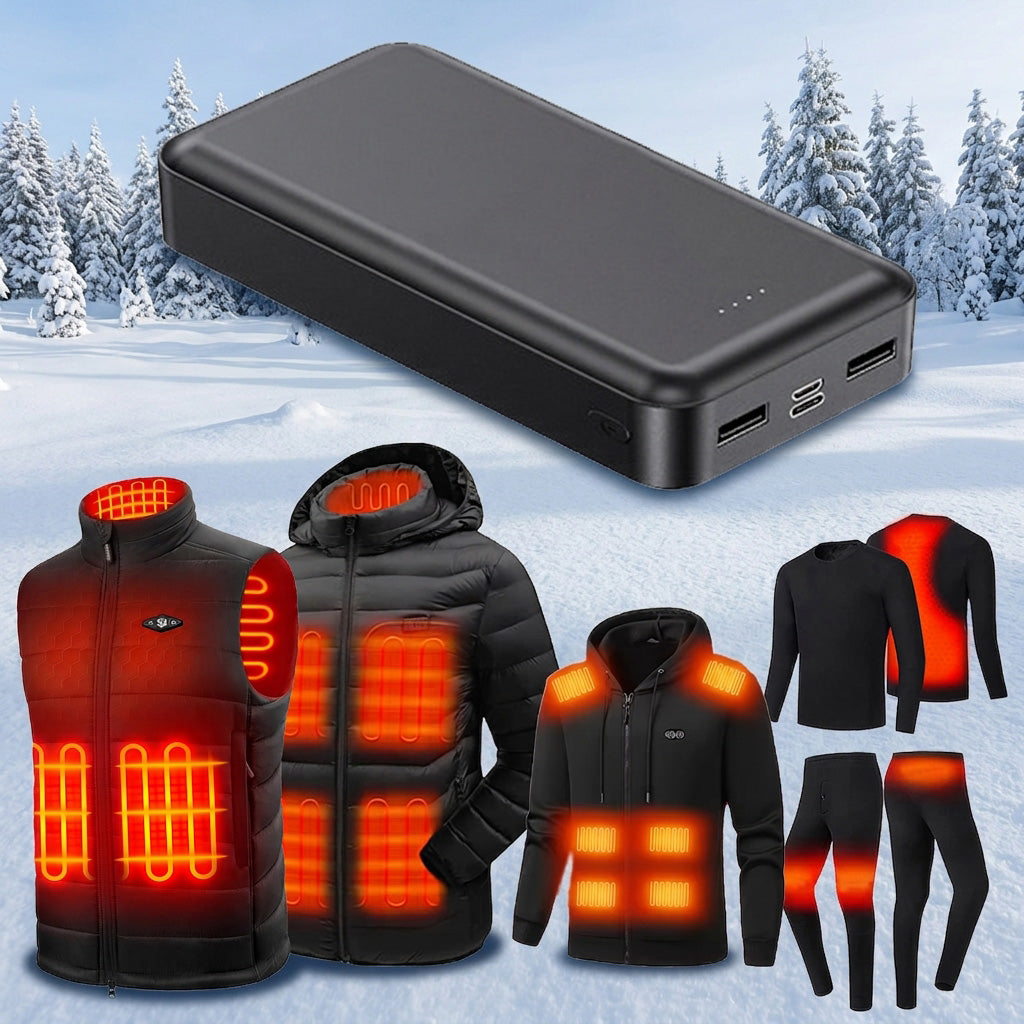
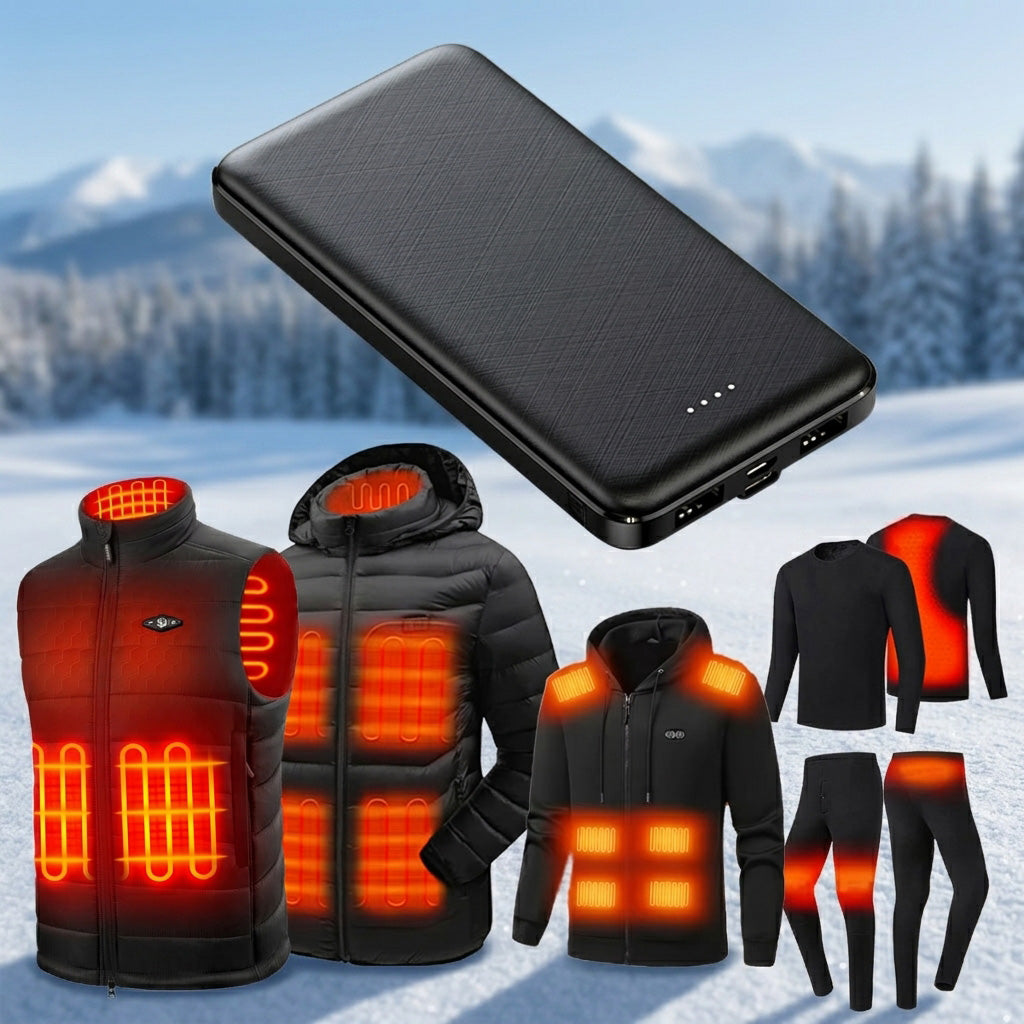
When this mechanism breaks down, sweat gets trapped against your skin, causing rapid heat loss once activity slows. To maintain optimal warmth and comfort, we suggest pairing our Top Cozy with our Legging Cozy collection.

Crafted to feel like a cozy layer against your skin, these pieces blend plush, breathable materials with advanced heat-regulating technology that keeps moisture at bay and maintains warmth through your most demanding activities.
The second layer: insulate and retain body heat
The middle layer functions as thermal insulation, designed to capture body heat within its fibers while simultaneously enabling moisture to pass through to the outer layer.
Merging aesthetics with functional engineering, our heated sweatshirts deliver the perfect balance for après-ski relaxation or temperate conditions. When you're on the mountain seeking superior warmth while maintaining full mobility, the Essential down jacket layers seamlessly beneath an outer shell for reliable protection.
With its environmentally conscious battery and streamlined profile, it delivers precise warmth customization so you can fine-tune heat output based on your activity level.
- Fleece: Dries rapidly and adapts to various conditions, offering a balanced combination of warmth and air circulation.
- Down: Delivers superior thermal efficiency relative to weight, making it the optimal choice for frigid, moisture-free environments.
- Synthetic: Maintains performance characteristics even in damp settings, with quicker drying times compared to down insulation.
Gloves or mittens: protect your hands from extreme cold
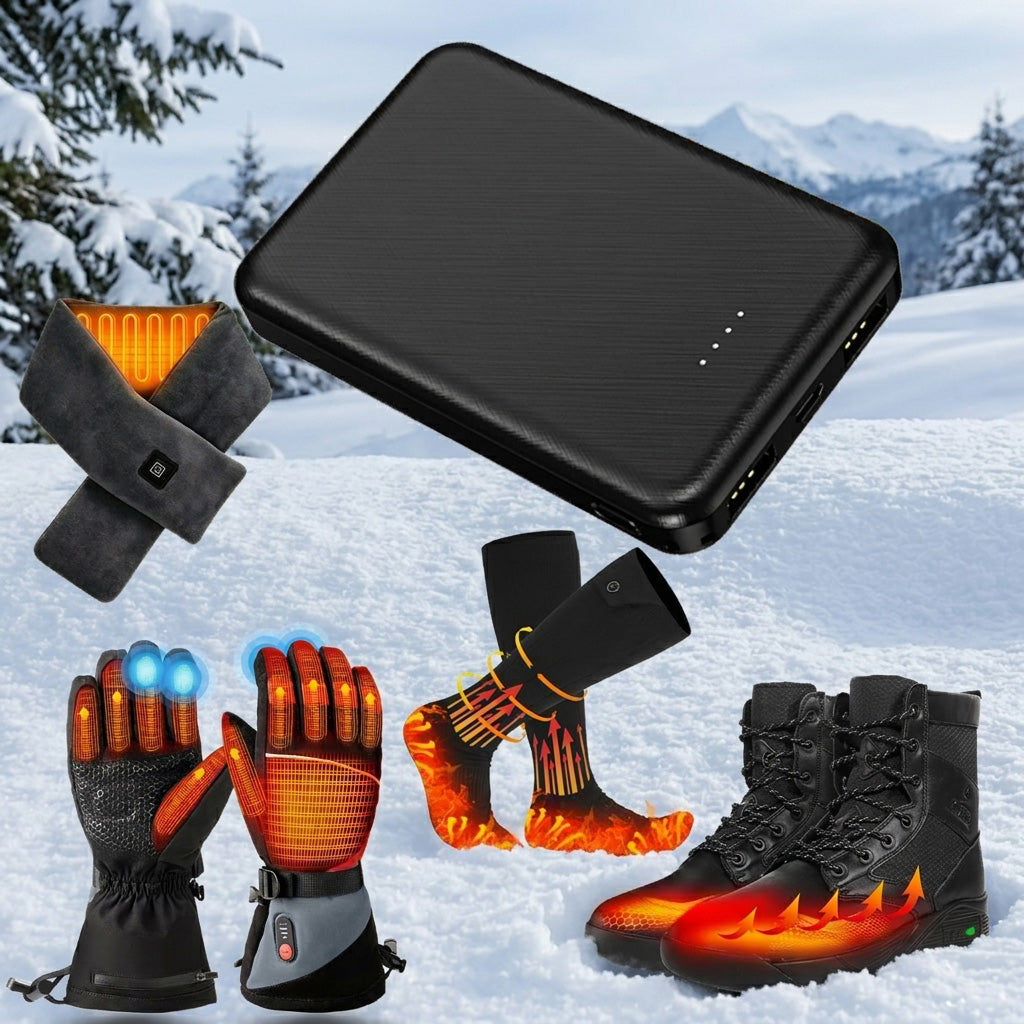
The hands rank among our body's most cold-sensitive areas. When exposed to freezing temperatures, vasoconstriction causes the body to restrict blood circulation to the fingers, redirecting it to preserve core organs. For serious skiers navigating harsh alpine terrain, EVO-3 gloves deliver comprehensive defense: durable reinforced leather construction, integrated active heating technology extending to each fingertip, and extended battery performance for all-day mountain use.

Seeking a flexible solution that works for both slopes and lodge settings? Nordic gloves offer the ideal balance, delivering comfort and warmth without compromise. When temperatures drop significantly, layering lightweight gloves underneath provides crucial insulation and breathability.
Hat, balaclava, or helmet: thermal protection for the head
Your head loses considerable body heat, particularly when exposed to wind while skiing down the mountain. Modern ski helmets are critical safety equipment that simultaneously deliver excellent insulation to retain warmth.
For optimal protection, layer a heated neck warmer beneath your jacket. This accessory shields your vulnerable neck area effectively and can be drawn up to cover your face during cold ski lift rides, forming a solid defense against harsh wind conditions.
- Ski socks: why foot temperature control matters
- Ski socks are frequently underestimated, yet they play a crucial role in keeping
- your feet comfortable—especially when they're confined in rigid ski boots throughout the day.
Skip the bulky sock layers that restrict blood flow—choose a single pair of Outdoor V2 heated socks instead.
With strategic reinforcement at the shin and heel, these socks deliver consistent warmth that enhances circulation and guards against toe numbness, redefining how you ski when temperatures plunge below zero.
A common skiing mistake is equating bulk with warmth. Oversized garments cause perspiration during initial descents and chilling at the lift. Effective temperature control depends on your base layer's breathability—it should function as a moisture-wicking system that pulls sweat away from skin before evaporative cooling occurs.
Essential technical materials for your ski outfit
Waterproof-breathable membranes: Gore-Tex and alternatives
Ski apparel waterproofing is rated using the Schmerber scale, which measures water column resistance in millimeters. For typical skiing, target a minimum rating of 10,000 mm; severe weather and challenging terrain demand 20,000 mm or higher. Breathability is quantified in g/m²/24h (MVTR), a metric that reflects how effectively the fabric manages moisture and perspiration transfer.
Gore-Tex stands as the industry standard due to its microporous membrane that repels liquid water while permitting moisture vapor to escape. However, viable alternatives exist—including Dermizax, eVent, and custom membranes—each offering distinct trade-offs in waterproof and breathable performance.
- For downhill skiing, aim for a minimum waterproofing rating of 10,000 mm.
- Sports activities require breathability of at least 15,000 g/m²/24h.
- Verify that every seam has been properly heat-sealed for optimal protection.
Merino wool vs. synthetic: which material for which layer?
Deciding between merino wool and synthetic fabrics comes down to your lifestyle and what matters most to you. Merino wool excels at natural temperature control through its intricate fiber composition: it provides warmth when conditions turn cold, pulls sweat away from skin, and stays fresh for multiple days without odor buildup.
Synthetic fabrics like polyester and polyamide are known for their quick-drying properties and superior durability, making them ideal for skiers engaged in demanding, sweat-inducing workouts. Both synthetic and natural materials serve as effective base layer choices. When it comes to mid-layer garments, synthetics continue to outperform in damp or humid environments.
Merino Wool: Delivers natural temperature regulation, resists odor development, and maintains comfort through extended wear without frequent washing.
Synthetic Fabrics: Offer rapid moisture evaporation, withstand friction and wear exceptionally well, and typically come at lower price points.
Blend Approach: Many brands pair merino wool with synthetic fibers to capture the strengths of each material in a single garment.
Reinforcements and durability technologies for long-lasting equipment
Quality ski gear represents a meaningful investment in your performance and comfort on the mountain. How long your equipment lasts ultimately comes down to thoughtful design choices and protective finishes. High-impact zones like the knees, seat, and shoulders gain extra resilience from heavy-duty materials like Cordura or ripstop weaves. Surface treatments such as DWR (durable water repellent) create a protective barrier that keeps moisture from penetrating the fabric. Keep in mind that these finishes gradually diminish through regular laundering and should be refreshed periodically to maintain their effectiveness. Similarly, premium hardware—including waterproof YKK zippers and reinforced stitching—plays a critical role in extending garment life under the constant physical demands that skiing places on your apparel.
Ski jacket and pants: choosing the right outer layer
Technical criteria to check: waterproofing and breathability
When selecting a ski jacket or pants, two key technical specifications warrant careful consideration. Waterproofing, measured in millimeters using the Schmerber standard, prevents water—including slush, rainfall, and fresh powder—from penetrating the material. Breathability, conversely, allows moisture vapor from physical exertion to escape outward without overwhelming your layering beneath. Striking the right balance between these properties is essential for optimal performance: excessive waterproofing without adequate breathability leads to heat buildup and discomfort, while superior breathability lacking sufficient waterproofing permits snow infiltration and dampness throughout your garments.
The importance of fit and freedom of movement
Skiing demands full body mobility—leg flexion, torso rotation, arm extension. Garments cut too snugly compress underlying layers and diminish their insulative capacity (insulation relies on trapped air). Conversely, overly loose cuts permit cold air and snow infiltration. The optimal fit strikes a balance: snug enough to resist wind on the mountain, relaxed enough to accommodate layering without constraint. Test your range of motion by adopting a skiing stance (knees bent, arms extended) during fittings to ensure unrestricted movement.
Classic pants or bib pants: pros and cons
Traditional ski pants continue to be the preferred option for most skiers thanks to their practicality and straightforward design. Bib-style pants or suspender pants deliver excellent protection to the lower back and midsection, effectively blocking snow from entering—especially beneficial in deep powder or after a tumble. They also enhance core warmth by providing an insulating layer across the upper body. However, dealing with nature calls becomes considerably more cumbersome. For those tackling severe cold or venturing into backcountry terrain, bib overalls offer outstanding defense against harsh weather conditions.

Details that make the difference: ventilation, pockets, snow skirt
What sets premium ski apparel apart from standard options comes down to thoughtful engineering. Strategically placed zip vents—under the arms on jackets and along the thighs on pants—let you manage body heat on the fly without peeling off layers, keeping you comfortable when the pace picks up. A built-in snow barrier at the waist (jacket snow skirt or integrated pant gaiters) acts as a shield when you take a fall, stopping snow from creeping inside your layers. Sealed pockets add practical protection, keeping your lift pass and devices dry throughout the day.
Essential accessories for complete protection
Gloves or mittens: protect your hands from extreme cold
Your hands rank among your body's most exposed areas when facing freezing conditions. The body responds through vasoconstriction, deliberately limiting blood circulation to your fingers to preserve heat in critical organs. Investing in premium ski gloves featuring dense insulation and waterproof barriers provides essential protection against the cold. Mittens deliver exceptional warmth by allowing fingers to pool their warmth together, though this comes at the cost of reduced finger mobility. On brutally cold days, layering thin merino wool or synthetic liners underneath adds an insulating air pocket. Firoth's heated glove technology uses embedded carbon elements to actively restore lost warmth to your extremities while preserving the precision grip you need in extreme cold.
Gloves: enhanced finger mobility and control, ideal for mild to moderate weather
Mittens: superior heat retention, perfect for severe cold environments
Undergloves: additional insulating layer, convenient for touchscreen device access
Hat, balaclava, or helmet: thermal protection for the head
Your head loses considerable warmth, particularly when exposed to wind during mountain runs. Modern ski helmets serve dual purposes—protecting against impacts while offering reliable insulation. Layering a lightweight cap beneath your helmet enhances warmth and comfort without affecting the seal. During frigid conditions, a neck gaiter or full-face covering shields vulnerable areas like your face and neck, where heat escapes rapidly through delicate skin. Look for helmets equipped with ventilation controls so you can open vents as conditions warm up and prevent overheating.
Ski socks: the importance of good foot temperature regulation
Ski socks are often underestimated but play a crucial role in keeping your feet comfortable when they're pressed into rigid ski boots throughout the day. Look for socks specifically designed for skiing—opt for medium thickness, materials like merino wool or high-performance synthetics, and extra padding around the shins and heels. Wear just one pair: despite what many believe, doubling up actually compresses your foot, restricts blood flow, and makes your feet colder faster. Equally important is making sure your ski boots fit properly; any pressure points will intensify that uncomfortable cold sensation.
Goggles and sunglasses: protect your eyes and face
As elevation increases, UV intensity rises by approximately 10 to 12% per 1,000 meters of altitude. Snow acts as a reflective surface, significantly magnifying your sun exposure. Investing in ski goggles rated S3 or S4 is critical for safeguarding your eyes and facial skin. Compared to standard eyeglasses, goggles deliver superior protection—shielding you from harsh winds, freezing temperatures, and snow particles. Select a pair that integrates seamlessly with your helmet and features reliable anti-fog technology to ensure unobstructed visibility in varying weather and snow conditions.
Safeguarding your hands and feet extends beyond comfort—it is fundamentally about safety. Numb extremities diminish your reaction time and elevate accident risk. Our innovation maintains your mental clarity by eliminating cold-related distractions, enabling skiers to concentrate entirely on their line.
Adapt to weather conditions and your activity
Extreme cold and high altitude: enhance your protection
Below -15°C or at elevations above 2,500 meters, your body's thermal demands shift dramatically. Your core works harder to stay warm, while exposed skin—hands, feet, and face—becomes vulnerable fast. Layer strategically with enhanced insulation in your mid-layers. Protect your extremities with intention: pair inner gloves beneath outer mittens, add a full-coverage balaclava, and invest in premium thermal socks. This is where active heating solutions like Firoth devices shine, offsetting the body's heat loss and extending your time on the mountain safely.
Spring skiing: lighten up without compromising safety
Spring skiing brings unpredictable weather with freezing mornings that turn into pleasant afternoons as the sun warms the slopes. A waterproof outer layer is non-negotiable—the spring snow is heavy and wet, soaking through unprotected gear quickly. Swap your thick fleece for a lighter microfleece or thin insulating jacket to stay comfortable as temperatures climb. Pack a backpack to carry the layers you shed throughout the day. Sun exposure intensifies at elevation during spring, making high-SPF sunscreen (SPF50+) and quality dark goggles (S3-S4 rated) essential for eye and skin protection.
Adapt your clothing to the intensity of your physical activity
A casual skier moving at a leisurely pace between runs and lift access has different thermal requirements than someone engaged in backcountry skiing with sustained uphill climbs. Vigorous activity generates significant heat and moisture. When your sport demands continuous physical exertion, choose a highly breathable base layer paired with ample ventilation in your outer shell. For lower-intensity winter pursuits—such as sightseeing, learning fundamentals, or frequent rest intervals—prioritize added warmth. This is where the 3-layer approach excels: it enables real-time adjustment of your gear, ensuring you remain comfortably dressed without excess or insufficiency.
Après-ski: extending thermal comfort off the slopes
Appropriate recovery clothing
Once you finish a day on the slopes, your body must quickly restore its core temperature. Shed your wet technical gear immediately and change into dry, insulating layers. Specialized après-ski footwear—think plush fur-lined boots or cushioned thermal slippers—gives your feet relief after hours of compression and cold exposure inside ski boots, allowing them to gradually return to warmth. Firoth designs products specifically for this recovery window, including warming slippers engineered to reactivate circulation in the lower extremities that have been taxed throughout your day on the mountain.
How to properly dry and maintain your equipment
Well-maintained gear preserves its technical performance for years to come. Following each skiing session, allow your gloves, socks, and base layers to dry in a well-ventilated space — avoid placing them near radiators or heat sources, as intense warmth can compromise technical fibers and waterproof membranes. An electric boot dryer is ideal for ski boots, as it eliminates internal moisture while protecting the shell structure. When cleaning technical apparel, use cool water (maximum 30°C) and specialized detergent; skip fabric softener entirely, since it blocks the micro-pores of breathable layers and diminishes their water-resistance and moisture-wicking capabilities.
Mistakes to avoid to preserve your technical clothing
There are several key mistakes that can shorten the lifespan of your gear. Avoid tumble dryers entirely, as they harm waterproof layers and performance fabrics. When storing jackets and pants, never compress them in bags for extended periods—this crushes the insulation (whether down or synthetic) and diminishes its thermal effectiveness. Instead, keep them on hangers. To maintain water resistance, periodically refresh the DWR coating on your ski outerwear with specialized treatments, available as sprays or wash-in formulas. For items equipped with Firoth heating technology, always disconnect the battery pack before washing and maintain it at 40–50% charge during storage.
Firoth: thermal engineering at the service of your skiing experience
French expertise in active thermoregulation
Firoth emerged from hands-on field experience revealing a critical gap: traditional passive insulation alone cannot reliably shield the body during extreme conditions. We built our foundation on active thermal management—innovative gear engineered to generate or modulate warmth in direct response to what users actually require. Every item is crafted in France, rigorously validated across demanding real-world environments (alpine terrain, industrial settings, urban roads) and constructed for durability. Our collection addresses the complete spectrum of thermal demands for winter athletes: everything from performance base layers through battery-powered heated mittens to specialized protection for vulnerable areas like fingers and toes.
Innovative heating technologies for extreme conditions
Firoth's heating technology features advanced carbon filament elements driven by premium Li-Po battery systems, developed in partnership with VoltR, a French Tech innovator. The intelligent heating system delivers customizable warmth across three adjustable power settings, enabling you to fine-tune thermal protection based on environmental conditions. Firoth heated gloves excel in skiing applications by counteracting the body's natural blood vessel constriction in cold weather, sustaining reliable warmth from wrist to fingertip. The outcome: enhanced finger mobility and sustained comfort through straightforward controls, even during extreme mountain conditions.
- Extended runtime: up to 8 hours based on your chosen heat intensity
- Multiple thermal modes: automatically adjusts to match current weather
- Layering flexibility: Firoth garments integrate seamlessly as a base or mid-layer while preserving your outfit's structure
Expert guidance to help you choose the ideal equipment
Selecting appropriate thermal gear for skiing involves considering your skill level, cold tolerance, and the environment you'll encounter. At Firoth, we're committed to helping every customer navigate this decision. From recreational skiers seeking the ideal balance between quality and value to serious backcountry enthusiasts, our team of specialists will direct you toward the most suitable option.
Conclusion
Proper ski attire relies on established technical foundations. The three-layer approach—comprising a moisture-wicking base layer, an insulating middle layer, and a weather-resistant shell—forms your essential defense against mountain cold and precipitation.
Your ski outfit's foundation rests on three pillars: material selection (merino wool, technical synthetics, Gore-Tex), jacket and pant quality, and extremity protection through thoughtful accessories. These elements work together to sustain comfort from first run to last. The key is responsive adaptation—add layers when temperatures plummet, strip them back as spring warms the slopes, and care for your gear so its performance endures year after year.
Firoth creates cutting-edge active thermoregulation technology that works seamlessly with your layering strategy to keep your body temperature steady, even when facing harsh alpine environments. Our lineup of heated gloves, performance base layers, and thermal accessories integrate effortlessly into your ski wardrobe, extending your time on the mountain while boosting comfort and confidence. Are you prepared to approach your next ski adventure with advanced thermal protection designed for your goals?
FAQ
How long do Firoth heated garments last for a day of skiing?
Our Firoth Li-Po batteries deliver impressive runtime—up to 7 hours at the lowest heat level, or around 3 hours when running at maximum heat. To maximize your battery throughout a full ski day, we suggest keeping the medium setting active while you're moving, then bumping up to high heat during stationary moments like chairlift rides and rest periods. Carrying a second battery ensures you'll have continuous warmth even on your longest mountain days.
How should I care for my technical thermal underwear after skiing?
Care for your technical underwear by washing at temperatures no higher than 30°C using a gentle detergent, and always skip fabric softener—it blocks the fibers and diminishes moisture-wicking performance. Always air dry; avoid machine drying. Merino wool benefits from natural anti-odor traits, so frequent washing isn't necessary—airing out between ski sessions typically keeps it fresh.
At what temperature should you consider wearing heated clothing?
The right time to use our heating devices really comes down to how cold you feel and what you're doing. Generally speaking, Firoth heating products deliver the most value once temperatures dip below 32°F, or if you have circulation challenges like Raynaud's syndrome that make your fingers and toes feel freezing even when it's not that cold out. If you're planning to sit still for extended stretches, we'd suggest turning on active heating even at 32°F to keep yourself comfortable.
Are Firoth heated garments compatible with the 3-layer system?
Firoth's product line is engineered to integrate seamlessly into the three-layer dressing strategy. Our heated base layers serve as a replacement or enhancement to your foundational layer. Heated vests and outerwear function as your insulating middle layer. Heated gloves provide targeted warmth as your protective outer layer for hands. This layering integration is central to Firoth's design philosophy: every product is built to complement your existing winter gear while maintaining a streamlined silhouette and unrestricted mobility.
What size should I choose for my thermal ski clothing?
Start with your regular size for the base layer—it should fit snugly but not constrictively. For the mid layer, maintain your standard size to ensure it layers comfortably over your base layer. When selecting the outer layer (jackets and trousers), we recommend trying it on while wearing your underlayers for the best fit. Firoth's sizing guides provide tailored recommendations for each item, accounting for layering requirements.
Can Firoth cooling products be used for après-ski?
Firoth's cooling innovations—Jade Cool and Tech Cool—are engineered primarily for thermal management during hot weather exposure. In the context of après-ski recovery, these technologies shine during the muscle recuperation window: applying a Firoth cooling towel to fatigued muscles reduces localized swelling and delivers a refreshing sensation post-activity. While not a replacement for comprehensive thermal restoration protocols, these solutions meaningfully enhance your recovery regimen after time on the slopes.
How to pack for skiing?
For the most efficient ski suitcase packing strategy, focus on smart organization rather than maximum capacity, and divide your items into three carefully planned groups:
- On the mountain: one waterproof set (jacket and trousers) does the job.
- Prioritize layering with multiple technical pieces (3 thermal tops like Top Cozy,
- 2 pairs of leggings) and specialized ski socks.
- After hours: pack relaxed everyday wear (track pants, cozy knitwear) and insulated apres-ski footwear.
- Packing smart: wear your ski jacket and warmest boots while traveling, then compress heavier items in dedicated packing bags.
What clothing and accessories should you bring for a ski trip?
Proper preparation for skiing requires gear that follows the three-layer principle and safeguards your hands, feet, and head:
- Core Layers: Start with a breathable base (synthetic or merino wool), add an insulating mid-layer (fleece or lightweight down), and finish with a waterproof outer shell rated above 10,000 Schmerber.
- Hand Protection: Choose waterproof gloves or heated versions like EVO-3 gloves if you're prone to cold hands—heated options excel at preserving grip and dexterity in extreme conditions.
- Foot Insulation: Wear specialized ski socks with reinforced shin padding (one pair per outing) or opt for heated variants to reduce frostbite risk.
- Head and Neck: Complete your setup with an approved ski helmet, S3-rated snow goggles, and a windproof neck gaiter to seal out cold air.
How should children be dressed for skiing?
Kids lose body heat more rapidly than adults, which means thermal protection should be prioritized above ease of movement:
- Outerwear: Select a one-piece snowsuit or bib overalls to keep snow from entering your clothing during falls.
- Hand Protection: Always choose mittens over gloves for superior warmth and secure them to your wrists using an adjustable cord.
- Base Layers: Steer clear of cotton materials. Instead, wear thermal leggings and a heavy fleece layer for optimal insulation.
- Head Safety: A helmet is non-negotiable for protection. Pair it with a lightweight balaclava rather than a traditional scarf to eliminate choking hazards and ensure comfort.