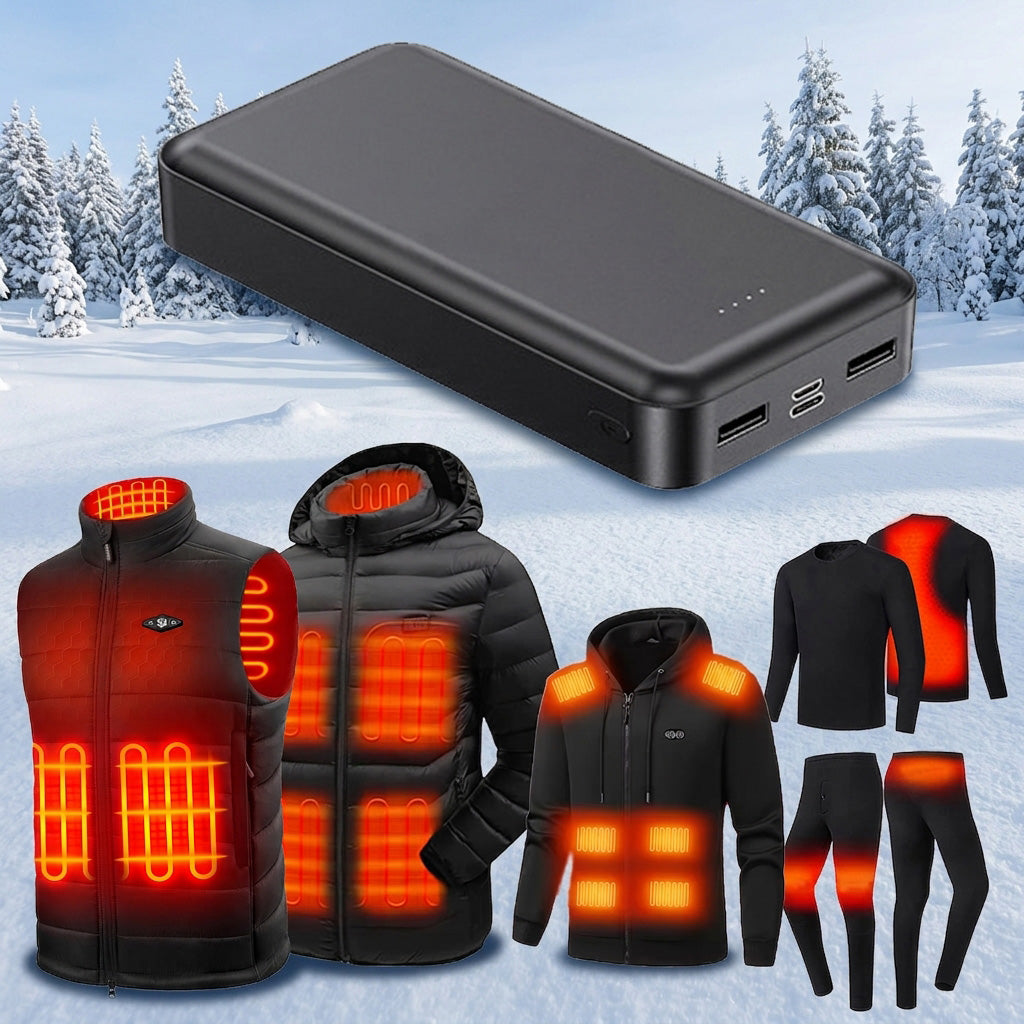
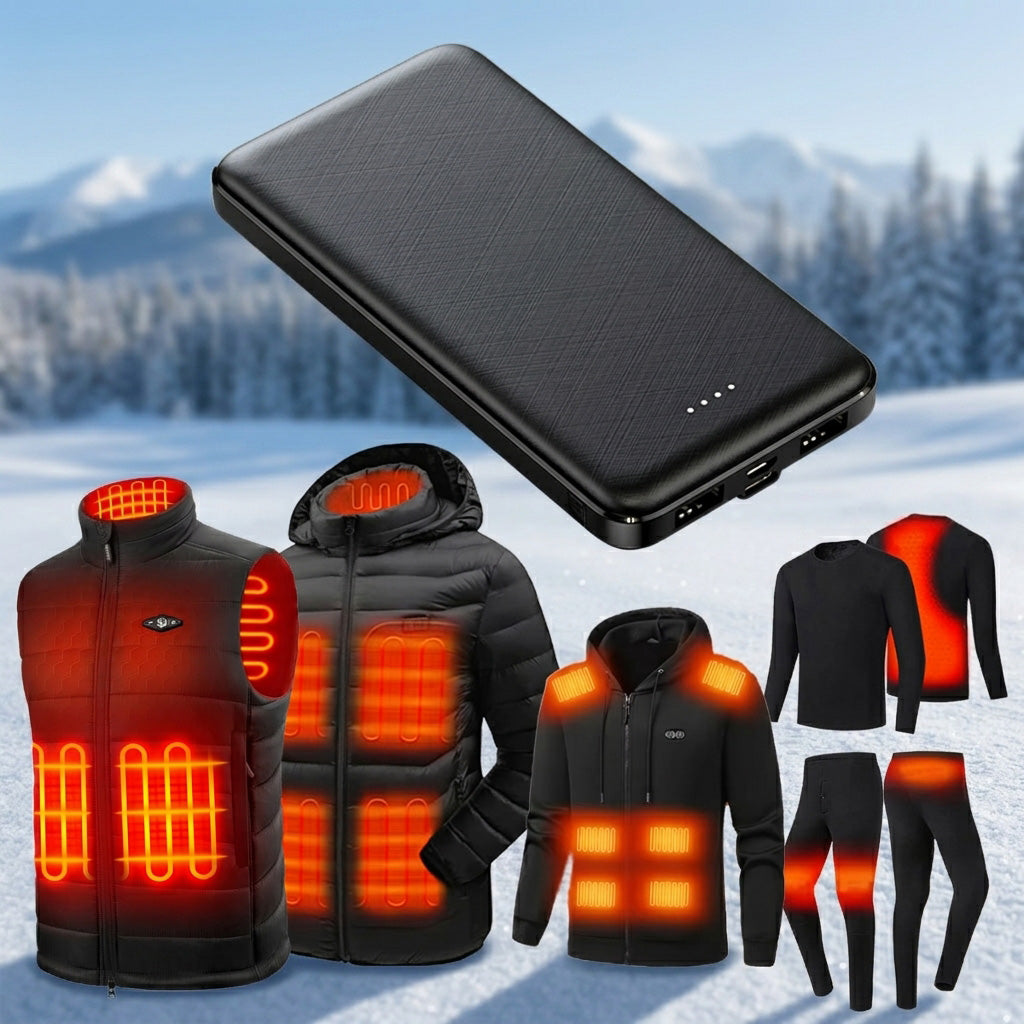
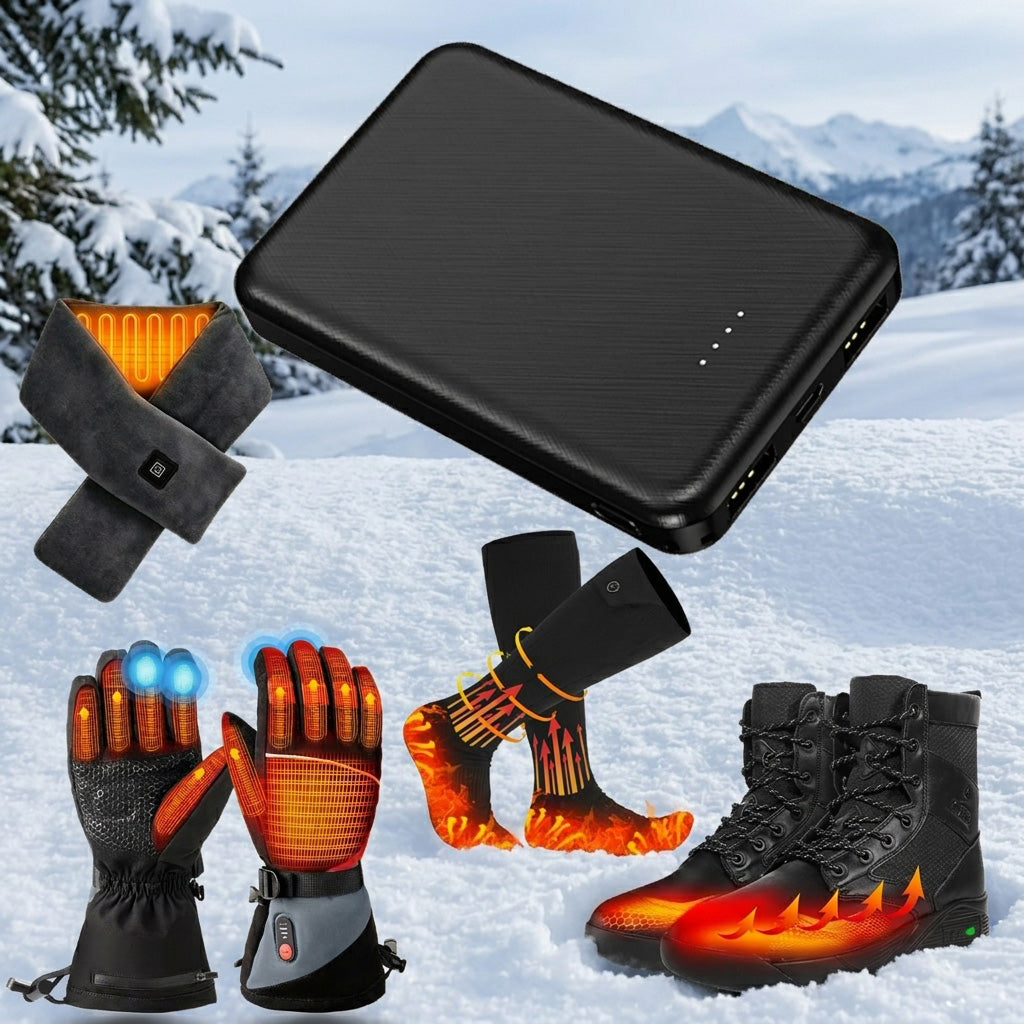
Heated vests have emerged as a game-changing solution for anyone seeking warmth without the encumbrance of traditional heavy outerwear. If you're curious about what makes these garments tick and whether they deserve a place in your seasonal rotation, you've come to the right place. This guide breaks down the essentials: the technology behind heated vests, how they deliver comfort in freezing temperatures, the tangible advantages they offer, and why they could be your answer to smarter cold-weather dressing.
What are Heated Vests?
Heated vests represent a significant evolution in cold-weather layering, merging traditional insulation with integrated heating technology. Unlike conventional vests that rely solely on fabric thickness and material to trap warmth, heated vests feature active heating elements strategically woven into the garment itself. These elements create a consistent, controllable heat source positioned close to your core, delivering warmth exactly where you need it most.
The power system is fundamental to a heated vest's performance. While some models use disposable batteries for convenience, premium heated vests employ rechargeable lithium-ion batteries that offer better value, reduced waste, and longer operational life. Battery placement is typically discreet, often integrated into a pocket or pouch to maintain the vest's streamlined appearance and comfort.
Control mechanisms vary depending on the model and intended use. Many heated vests feature simple touch-sensitive buttons or manual controls positioned on the garment itself, allowing you to adjust heat levels without reaching for a separate device. More advanced versions incorporate Bluetooth connectivity or dedicated app controls, enabling wireless adjustments and sometimes offering features like temperature presets or usage tracking. This flexibility means you can customize your warmth experience based on activity level and environmental conditions throughout the day.
Types of Heated Vests
Battery Types
Heated vests come with different power options to match your needs. A 5V battery pack works well for light layering in mild to moderate cold—think autumn mornings or indoor-to-outdoor transitions. For serious winter work or extended exposure, 7.4V and 12V systems deliver stronger, more sustained warmth across larger surface areas. The choice depends on how long you'll wear it and how cold your environment gets.
Material and Build
The outer layer defines how a vest performs in the field. Water-resistant nylon shells stand up to snow, rain, and wet conditions, making them the go-to for active outdoor work or recreation. Fleece and softer synthetic blends prioritize everyday comfort and breathability indoors or in dry settings. Some vests layer both—a weather-resistant exterior with a soft fleece lining—giving you flexibility across seasons.
Heating Zones and Control
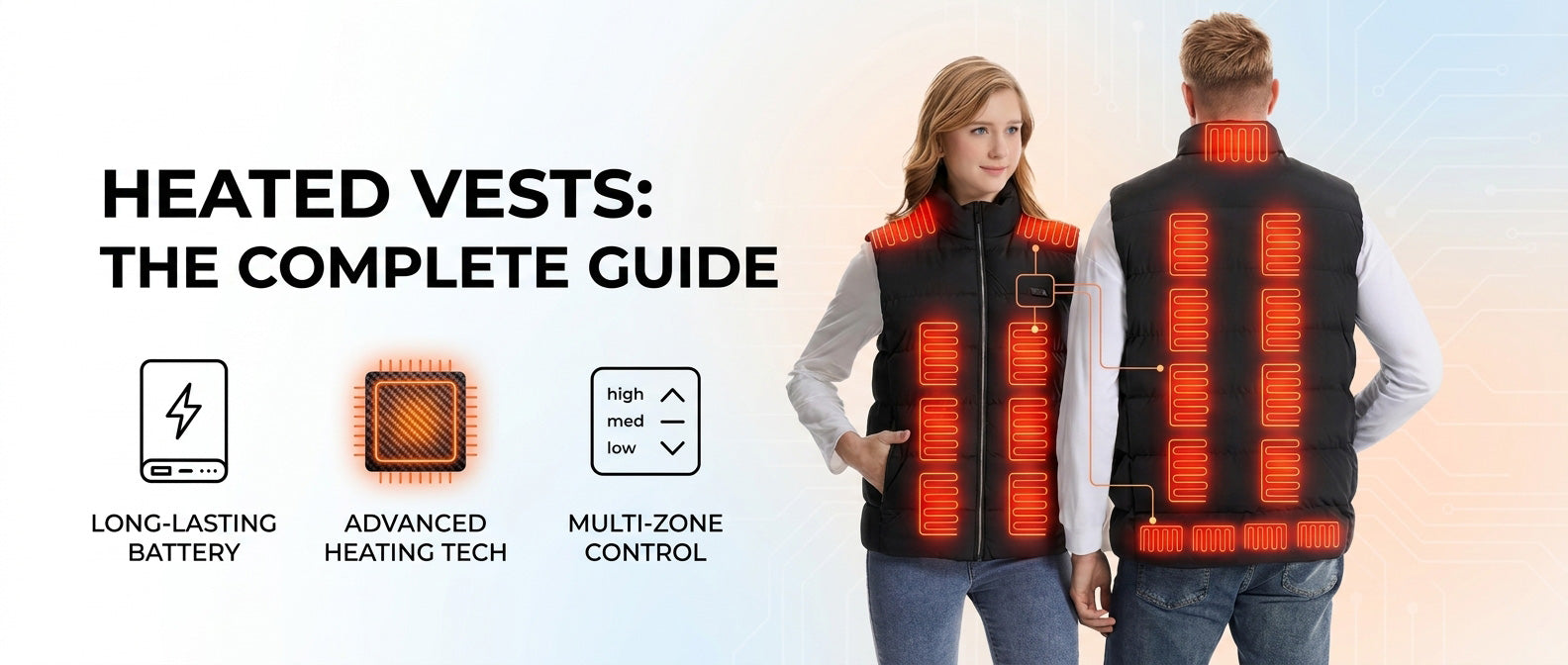
Basic heated vests warm the core: chest and back. Mid-range options add the neck and lower back for full-torso coverage. Premium models extend to the arms and shoulders, or include zones you can control separately—adjusting chest warmth independently from back heat. Dual-control systems let you customize comfort without wasting battery on areas you don't need heated right now.
How Do Heated Vests Work?
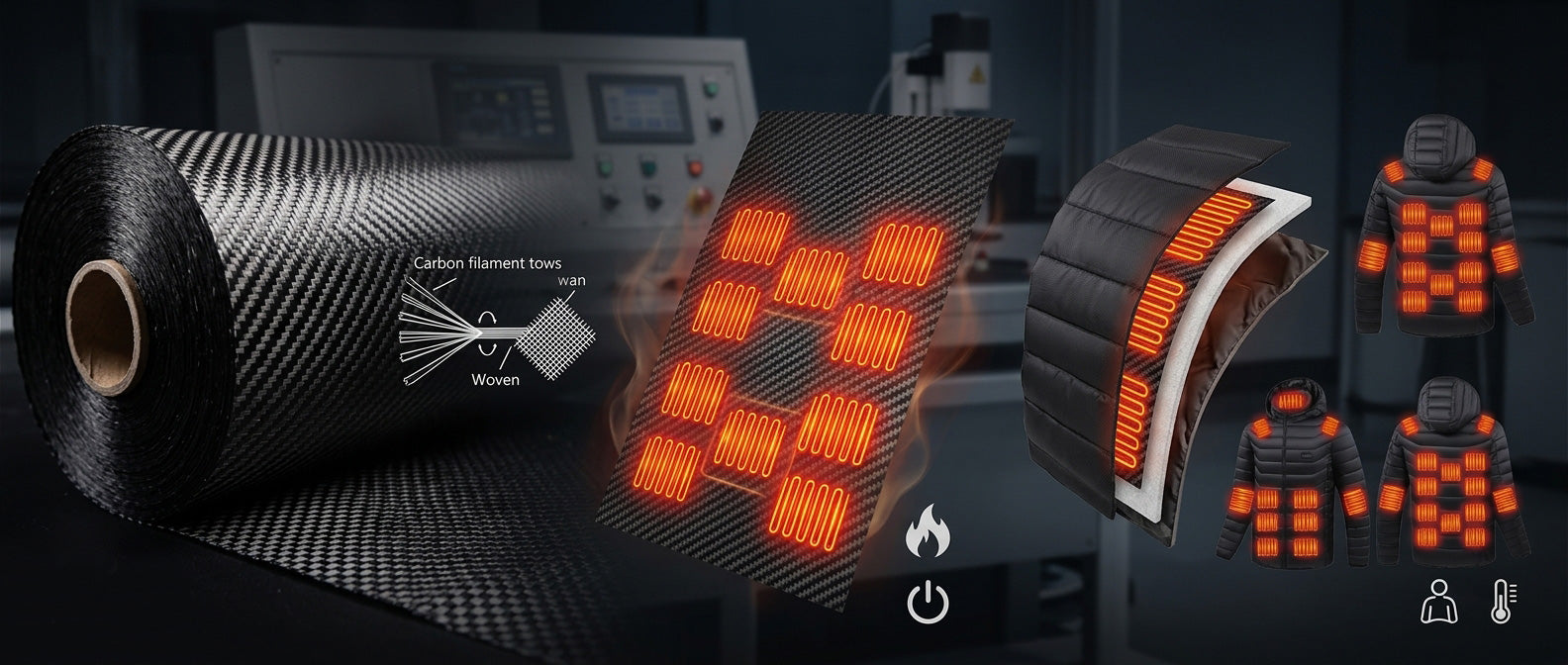
A heated vest is a battery-powered garment engineered to deliver consistent warmth through strategically placed heating elements. At the core of this technology are advanced materials—typically carbon fiber or graphene—chosen for their exceptional ability to convert electrical energy into heat while remaining thin and flexible enough to integrate seamlessly into wearable fabric.
The design philosophy centers on targeted warmth. Rather than heating the entire garment uniformly, most vests feature multiple heating zones concentrated on areas where your body loses heat fastest: the core (chest and back), and sometimes the neck and upper arms. This zoning approach maximizes comfort while optimizing battery efficiency.
Control and customization are built into every vest. A simple control panel or app allows you to select from multiple heat settings, giving you precise command over warmth output. In extreme cold, you might run the vest at maximum; in milder conditions or during active movement, a lower setting preserves battery life while still providing comfort.
The power source is a rechargeable lithium-ion battery, typically housed in a discrete pocket integrated into the vest's design. Battery endurance varies with your heat setting choice—expect anywhere from 3 to 10 hours of continuous warmth per charge, with lower settings naturally extending runtime. This makes heated vests practical for extended outdoor activities, commutes, or simply surviving a harsh winter day.
Safety Features of Heated Vests
Overheat Protection: Quality heated vests are equipped with thermal sensors that monitor temperature in real time. When heating elements reach a preset safe threshold, the system automatically cuts power to prevent excessive heat buildup. This intelligent safeguard keeps you warm without discomfort or risk of burns.
Low Voltage Design: Heated vests operate on low-voltage power systems—typically 5V, 7.4V, or 12V—which fall well below levels that pose electrical hazards. This voltage range is the industry standard for wearable heating technology, eliminating shock risk during normal use and even in wet conditions.
Battery Safety Systems: Modern heated vest batteries include multiple protective layers: short-circuit prevention stops unexpected power surges, overcharge protection extends battery lifespan, and automatic shut-off features prevent thermal runaway. These safeguards work together to ensure reliable, worry-free operation through countless charging cycles.
Benefits of Wearing Heated Vests
Lightweight and Less Bulky
Heated vests deliver warmth without the weight. Unlike traditional winter coats that layer on bulk and restrict movement, a heated vest maintains a sleek, tailored profile while keeping you genuinely warm. You get freedom of motion paired with reliable heat—a practical upgrade for anyone tired of wrestling with heavy outerwear.
Versatility Across Activities
Whether you're summiting peaks, working a job site, or simply navigating your day, heated vests adapt to your needs. Outdoor adventurers—hikers, campers, skiers—rely on them for consistent warmth during exposure. Professionals working in cold environments, from construction crews to delivery routes, benefit from the stability they provide. For everyday moments—your commute, weekend errands, outdoor gatherings—they offer an understated way to stay comfortable without compromise.
Customizable Heat Control
Adjustable settings put warmth on your terms. Tackling alpine conditions or a casual evening walk with your dog, you dial in exactly the temperature your body needs. This precision means no overheating, no wasted energy, and no guessing—just the right amount of warmth for your moment.
Everyday Comfort and Ease
Cold stiffens the body and dampens mood. A heated vest counters that directly, delivering sustained warmth that leaves you loose, relaxed, and present. For anyone whose body runs cold or who simply prefers not to feel winter's grip, it's an effortless solution that makes cold-weather living feel less like endurance and more like comfort.
Who Should Consider a Heated Vest?
Everyday Users: Anyone who feels the chill during daily routines—walking the dog, commuting, or running errands—will find a heated vest a practical solution. It delivers warmth without the bulk of traditional layering, keeping you comfortable while maintaining freedom of movement.
Workers in Cold Environments: Construction workers, delivery drivers, and outdoor maintenance teams face extended exposure to cold weather. A heated vest provides reliable warmth while staying lightweight and non-restrictive, so you can focus on the job without sacrificing comfort or mobility.
Outdoor Enthusiasts: Winter athletes and adventurers—whether skiing, hiking, or camping—can extend their time outdoors with a heated vest. The extra warmth layer makes cold-weather activities more enjoyable and sustainable, letting you pursue your passion longer.
How to Choose the Right Heated Vest
Evaluate Battery Performance
Battery longevity is crucial for uninterrupted warmth. If you anticipate wearing your vest for extended periods—full workdays or weekend adventures—seek out models with multi-hour battery life that won't leave you cold halfway through. For shorter activities like a quick trip to the store or a brief outdoor outing, a vest with modest battery endurance may be perfectly adequate and often charges faster for convenience.
Consider Your Usage Pattern
Think carefully about when and where you'll wear your heated vest. If you're planning to use it for outdoor sports, hiking, or demanding work environments, prioritize vests made with water-resistant or weatherproof materials and robust heating elements. For everyday casual wear—running errands, commuting, or relaxing at home—a cozy fleece-lined vest with moderate heat output will serve you well and often provides better comfort during lighter use.
Select Your Heating Coverage
Heating zone configuration directly impacts comfort and performance. Basic vests focus warmth on the chest and back, which works well for most people. More comprehensive models extend heating to the arms, shoulders, neck, and lower back, offering full-body warmth for those in particularly cold conditions. Dual-control heating systems give you the flexibility to adjust temperature zones independently—letting you warm your core while keeping your arms at a different setting, or vice versa. Firoth heated vests feature advanced dual-control technology, enabling personalized temperature management across different zones so you get exactly the warmth you need, exactly where you need it.
Keeping Your Heated Vest in Peak Condition
Storage Best Practices
Between seasons or extended breaks, store your vest in a clean, cool, and dry environment. Avoid areas with fluctuating temperatures, high humidity, or direct sunlight, as these can damage the heating elements and shorten battery life. A dedicated closet shelf or breathable storage bag works well.
Washing and Care
Your heated vest is designed for easy maintenance. Before washing, always remove the battery pack to protect the electrical components. Refer to the care label for specific instructions, but most vests can be machine washed on a gentle cycle. Air dry completely before reattaching the battery for your next use.
Charging for Longevity
Use only the charger that came with your vest to ensure safe, efficient battery performance. Always charge the battery to full capacity before your first use and before extended periods of wear. Once fully charged, disconnect promptly — leaving the battery plugged in continuously can reduce its lifespan over time.
Frequently Asked Questions
Are heated vests safe to use?
Yes, heated vests are designed with safety as a priority. Quality models feature overheat protection, low-voltage battery systems to eliminate shock risks, and automatic shut-off functions that engage when temperatures climb too high.
How long do heated vests stay warm?
Battery duration varies based on your heat setting. At maximum heat, expect around 3–4 hours of warmth. Lower settings extend this significantly, with some vests providing up to 10 hours on the lowest heat level.
Can heated vests be worn under other layers?
Absolutely. Heated vests are engineered to be slim and lightweight, allowing them to fit comfortably beneath jackets and sweaters without creating visible bulk or restricting movement.
How long does charging take?
A full charge typically requires 7–8 hours using a standard 5V 2A charger. Plan ahead to ensure your vest is ready when you need it.
Can you wash a heated vest?
Most heated vests are machine washable for easy care. Always remove the battery before washing and consult the manufacturer's care instructions to protect the heating elements and fabric.